Croatia

Description and geographical location
Located in the southeast of Europe, at the intersection of great cultures and civilizations, as well as different geographical and climate regions, Croatia is a European oasis of culture and natural diversity. The beauty and richness of Croatia are in its diversity which is seen in the fact that, in a relatively small area, we encounter a wealth of different cultures, mentalities and dialects, climate, lifestyle, cuisine, cultural and historical heritage.
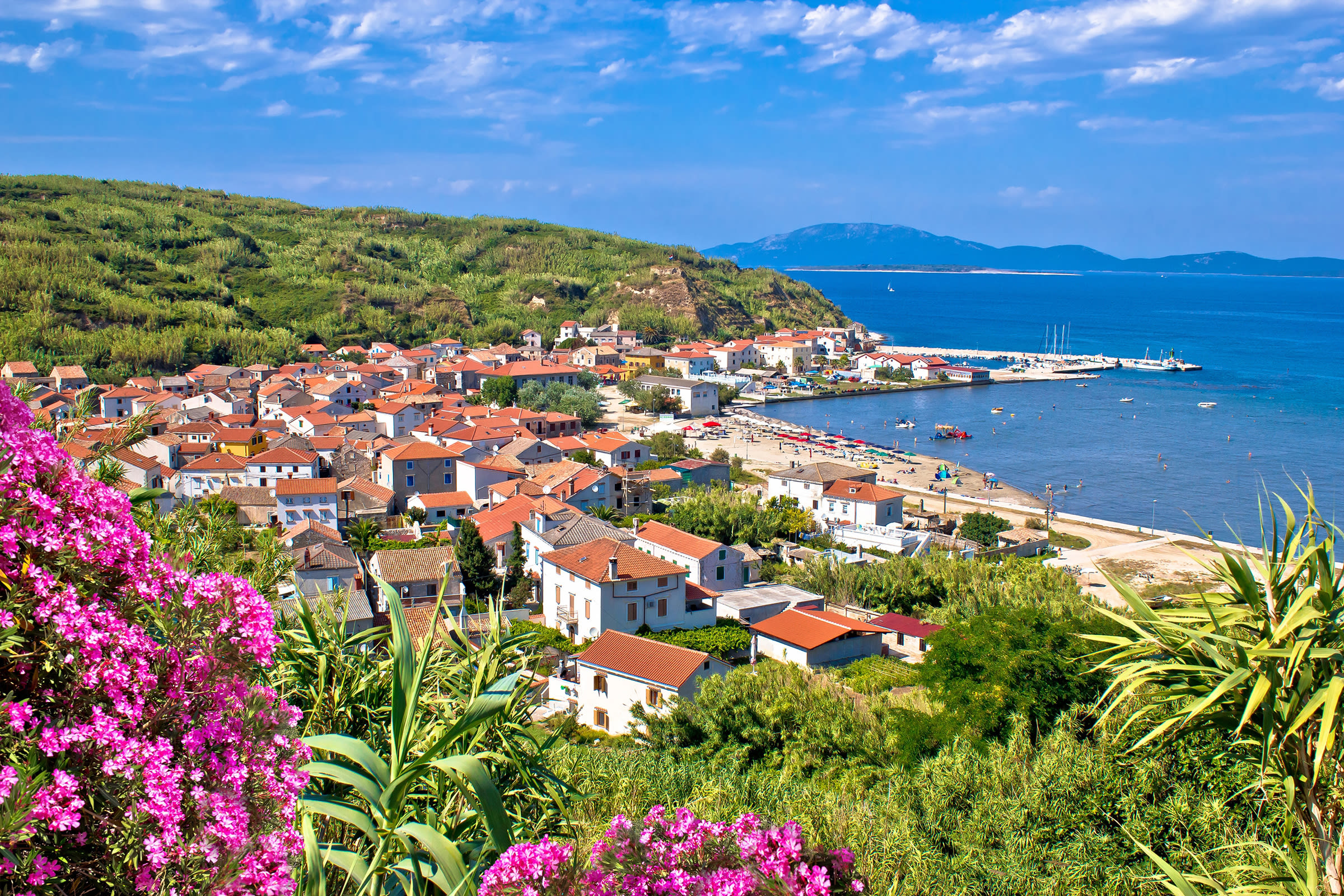
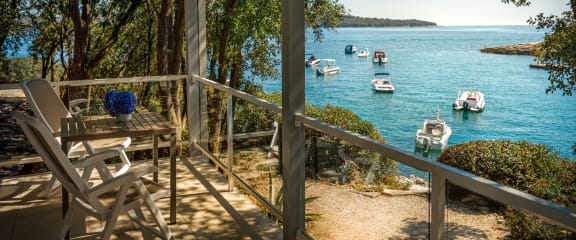
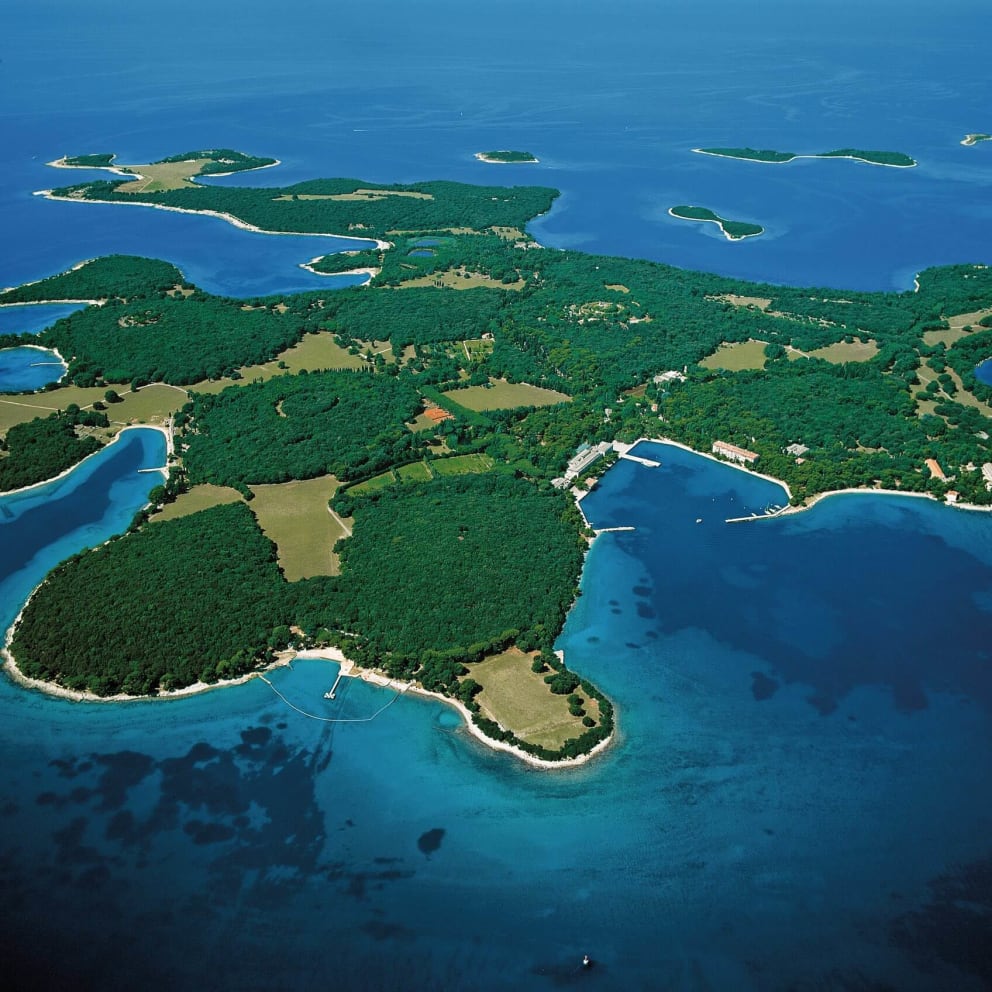
Slogans which best describe the young and independent Croatian state, a country with a long history, rich tradition, multiculturalism, preserved natural beauties and crystal clear blue sea are: “A land of a thousand islands” or “The Mediterranean as it once was”.

Climate
Climate in the interior is mild continental, in the mountain region, sub-mountain and mountain, in the coastal region Mediterranean (with dry and warm summers and damp and mild winters), and in the outback sub-Mediterranean (with somewhat colder winters and warmer summers). The climate in Croatia is influenced by its position in the north mild zone. The average temperature in land part is: in January, 0º-2ºC, in August 19º-23ºC, while the average temperature at sea is: in January 6º-11ºC, in August 21º-27ºC. With the average of 2 600 sunny hours in a year, the Adriatic coast is one of the sunniest in the Mediterranean, and the sea temperature during the summer is from 25º-27ºC.

Natural diversity
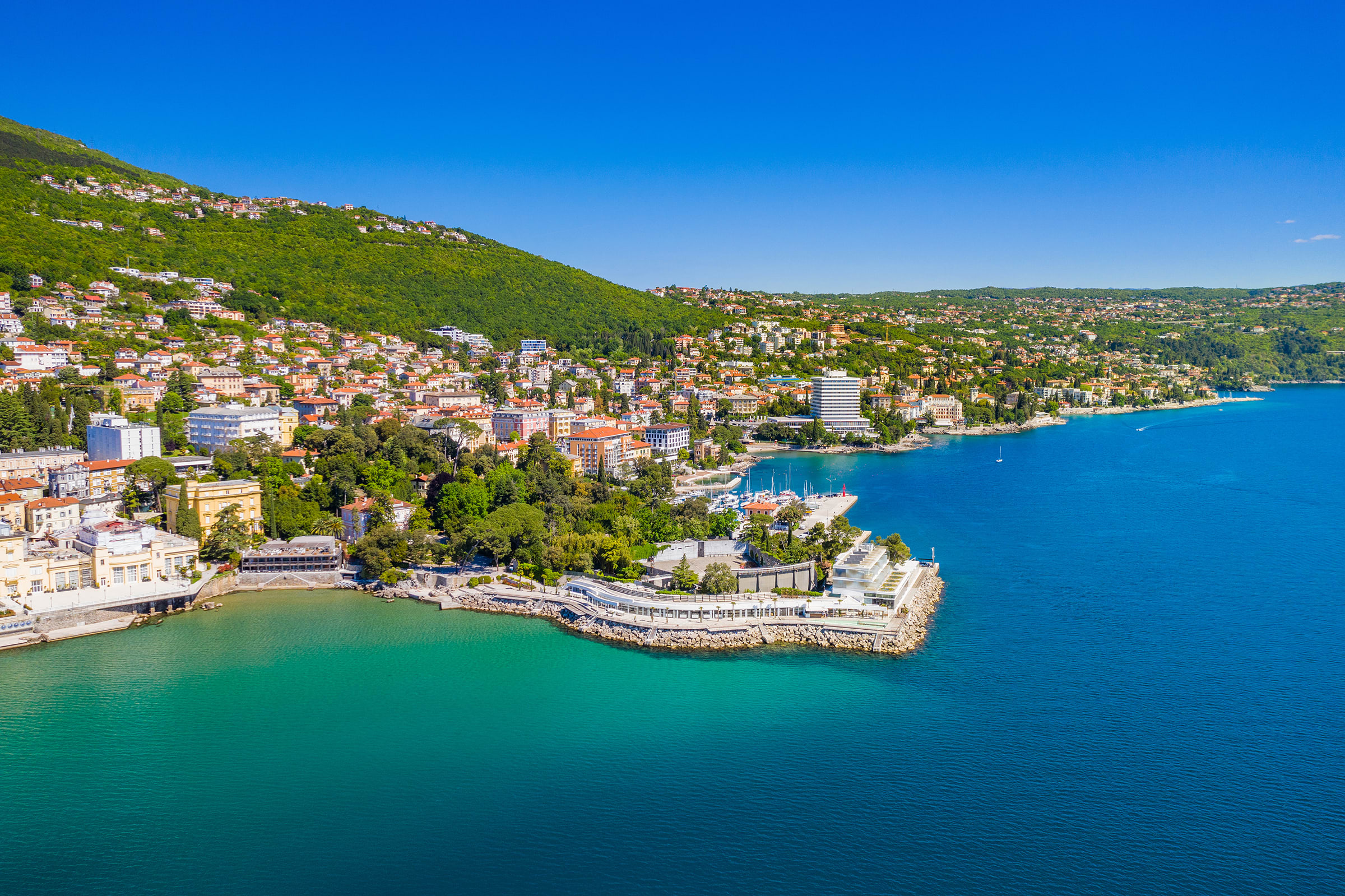
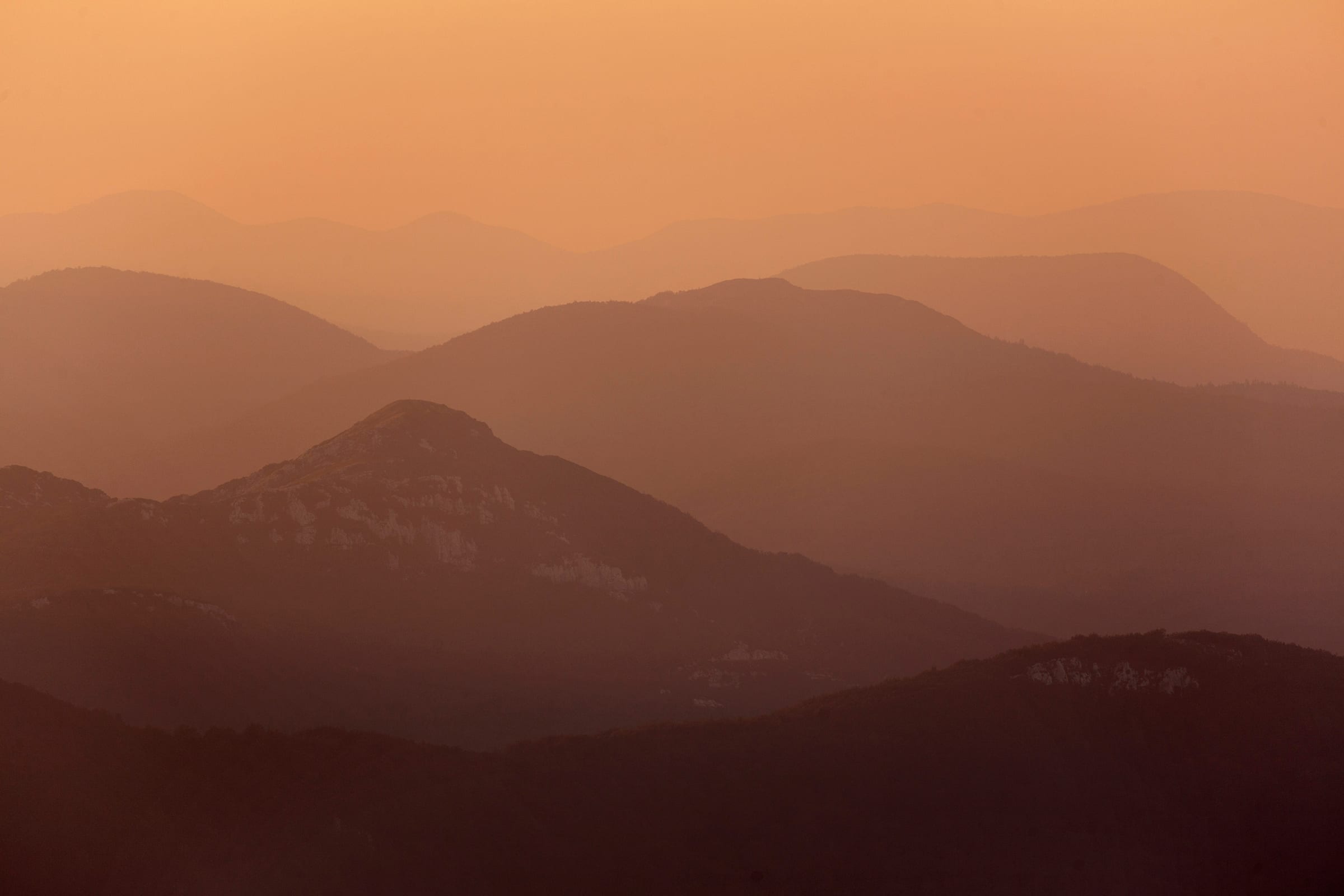
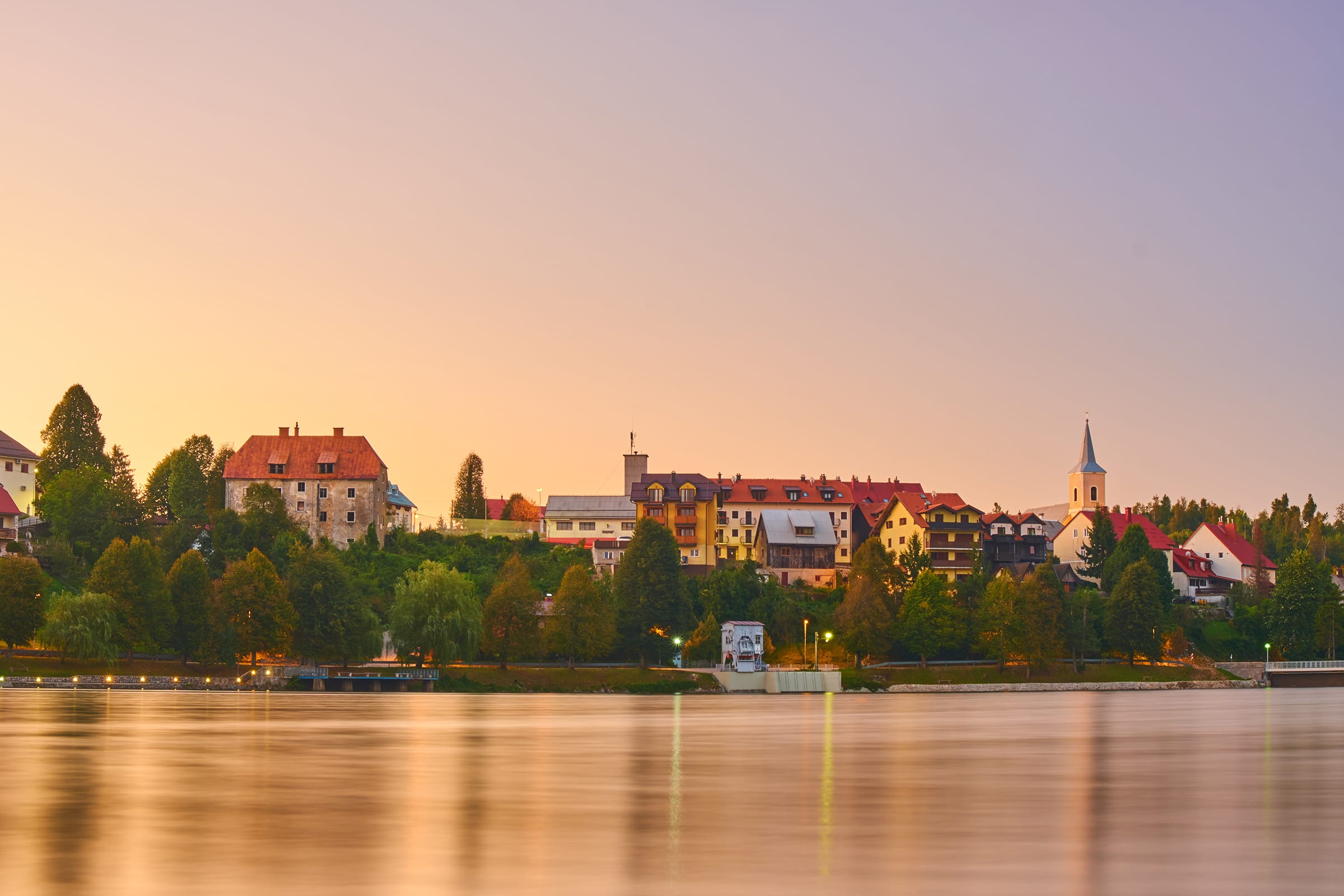
The natural diversity of Croatia is seen in the lakes and hills in the continental part of the Pannonian Plain in the central Croatia and Slavonia, through the wooded mountains in Lika and Gorski Kotar which belong to the Dinaride massif, to the indented coast and many islands on the Adriatic Sea coast in Istria, north coast and Dalmatia.
Croatia is the best ecologically preserved area in Europe with the cleanest sea and the largest number of national parks and nature parks in relation to the size of territory.
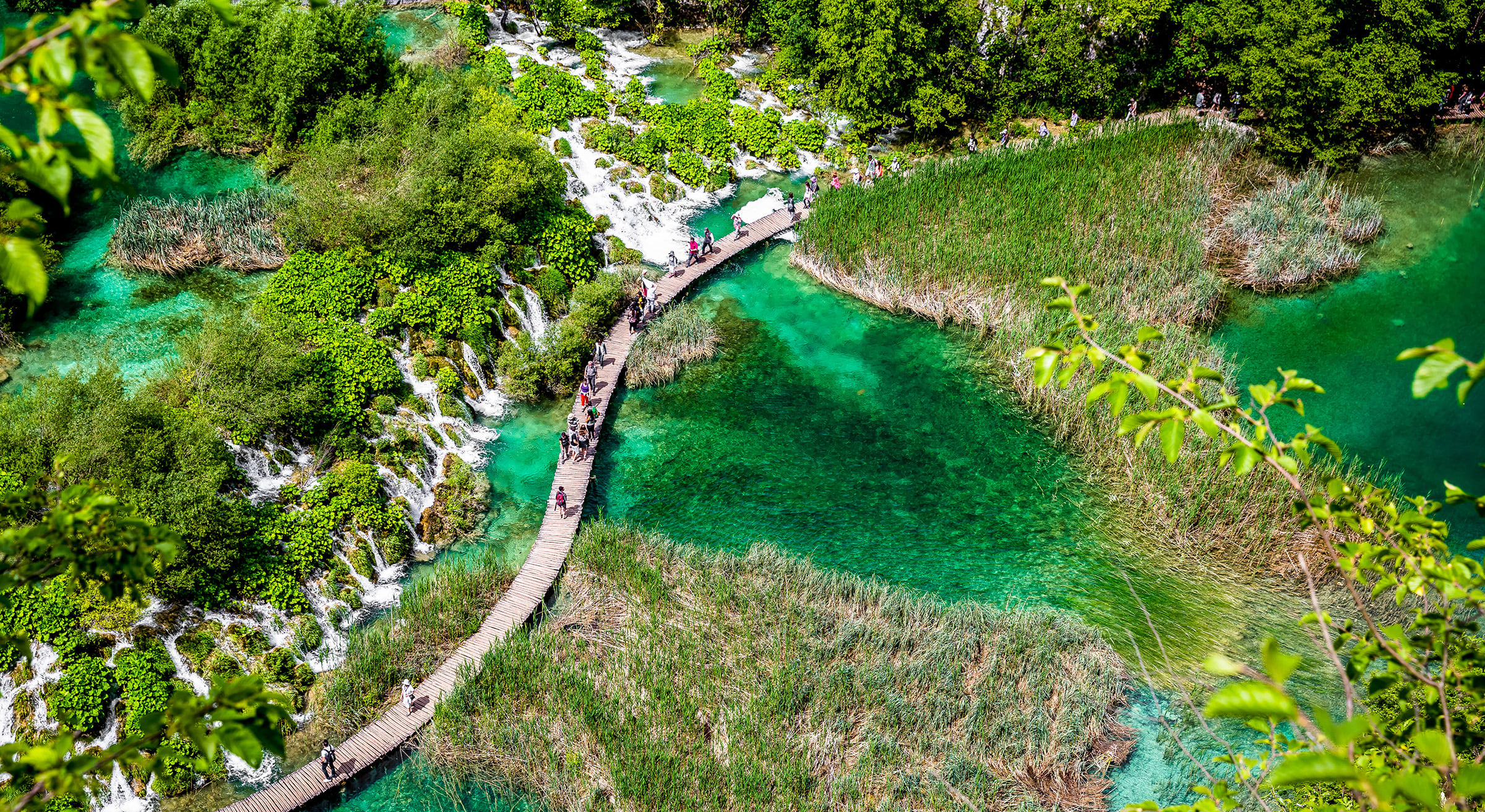
From the total of 8 national parks in Croatia, the best known is most certainly national park Plitvice Lakes, which is registered in the UNESCO list of world heritage.

History and cultural richness
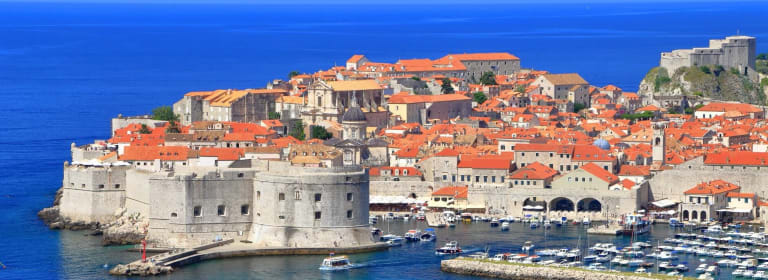
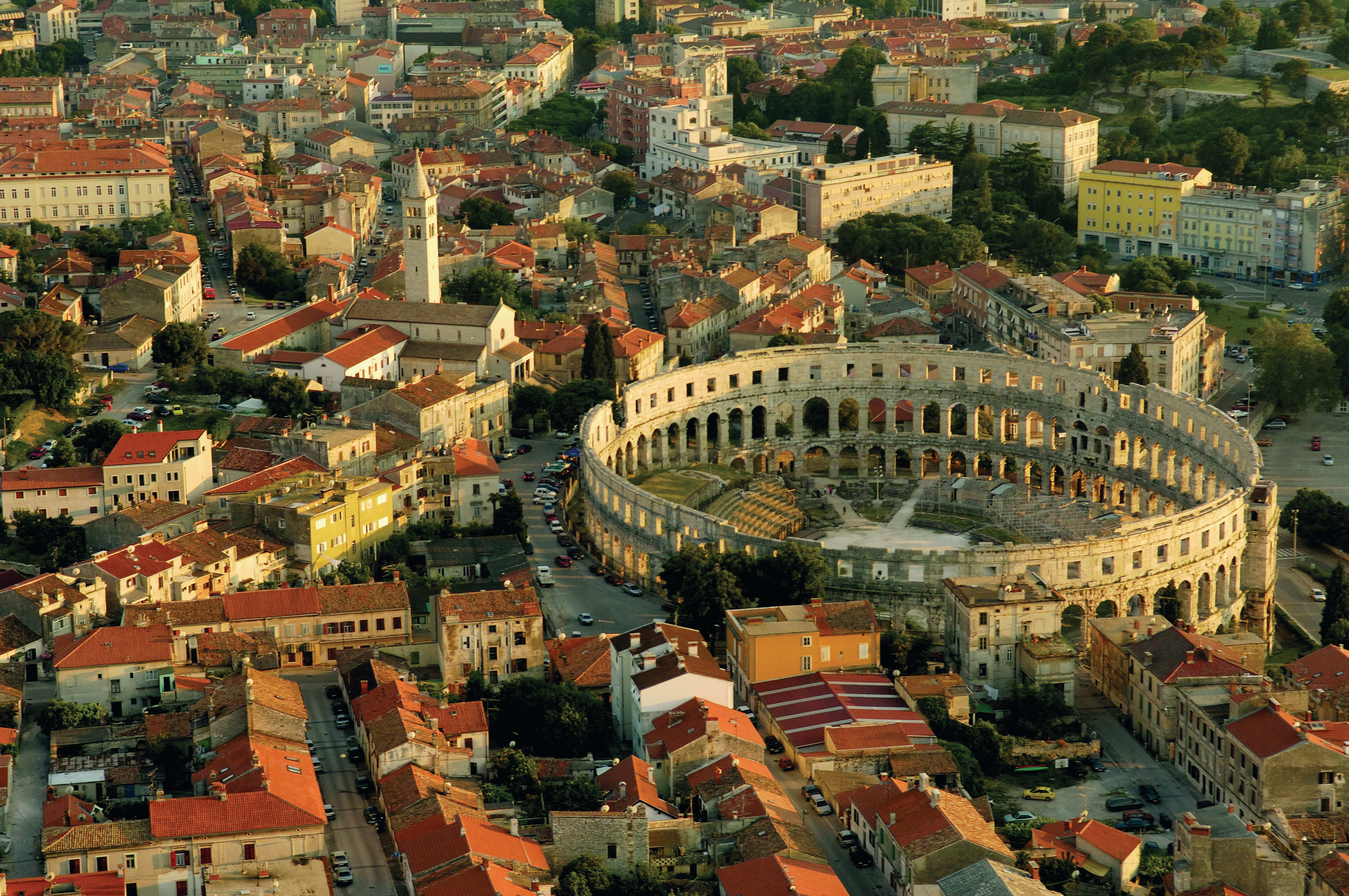
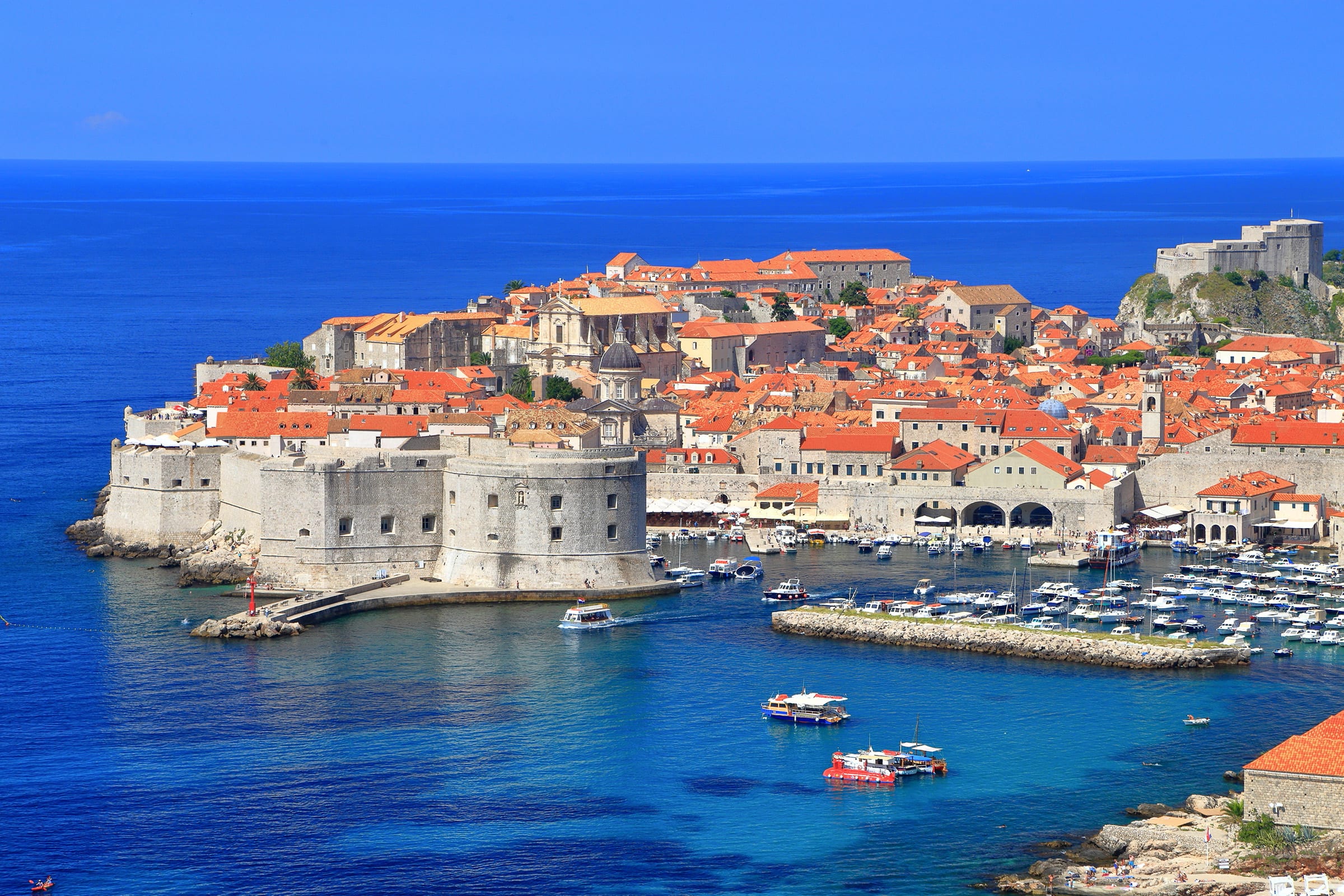
The Croats moved to the current territory of Croatia in the 7th century. This historical fact is described by the famous Croatian poem which goes something like: “From the 7th century the Croats have been breathing this air.” The rich cultural heritage is a reflection of the tumultuous history in these parts through changes of social structure and reign of neighboring governments. Croatia has, besides the richness of monuments, art and scientific works, given to the world heritage a host of greats: from writers, musicians, painters, sculptors and architects to scientists, philosophers, athletes and warriors. In the UNESCO list of world heritage there are: Euphrasian basilica in Poreč, Diocletian palace in Split, cities of Dubrovnik and Trogir, the cathedral in Šibenik. In the coastal part of Croatia, there is the legacy of the Mediterranean culture, numerous antique monuments, monuments from the Roman era and early Middle Ages, romantic sacral heritage and preserved Mediterranean urban parts.
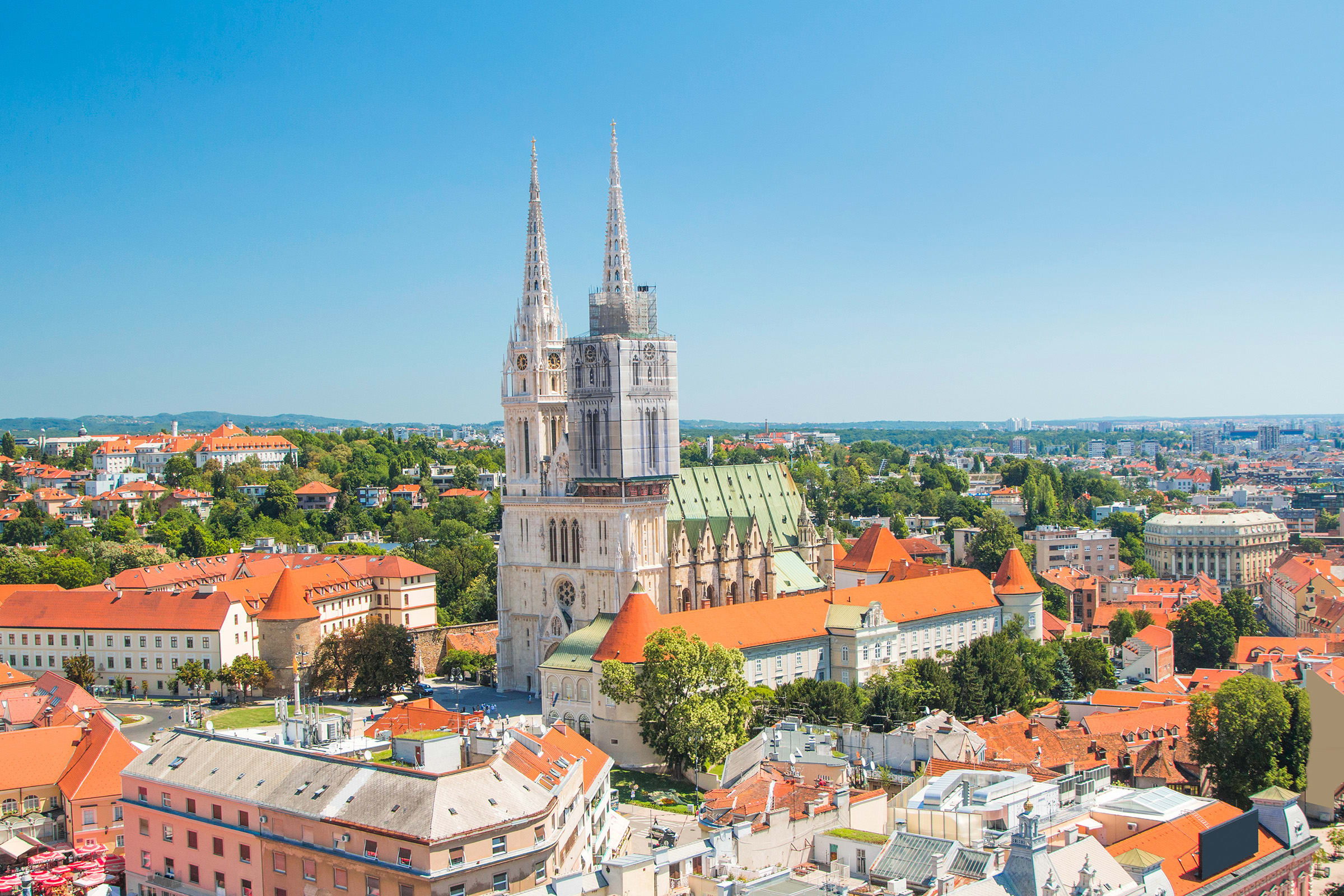
Continental Croatia, as a part of the mid-European cultural circle, is distinguished by numerous prehistoric findings of world significance, old cities, forts and castles from late Middle Ages and cultural monuments and architecture from the Baroque era.

Croatian cuisine
Croatian traditional cuisine is based on the Slavic cuisine with influences from neighboring countries.
Meals on the continental part are based on products such as meat, legumes and grain and they are most often of Middle European taste.
In the coastal part, mostly consumed are fish, seafood and vegetables, and Mediterranean and Italian tastes are dominant.
An important part of the traditional cuisine are meals which are prepared for holidays and special occasions (weddings, christenings, harvesting periods, grape harvesting) and for religious holidays (Christmas, Easter,…).

Best known Croatian delicacies
Dalmatian or Istrian prosciutto and Pag or Istrian cheese - specially made and dried ham depending on the regions in Croatia and sheep cheese from different parts of Croatia; Oysters – the best come from Lim channel or Ston.
Grilled fish and seafood – in the coastal parts, they are of high quality (sea bass, gold fish, leaf fish, bass, tooth fish, squid, shrimp, mussels, crabs and lobsters)
Maneštra – from legumes and vegetables, it is typical for Istria
Pašticada – is a slowly cooked goulash
Rožata – is a typical Dalmatian caramel cream, a caramel and sour liqueur dessert
Fiš-paprikaš – is a special stew made of freshwater fish spiced with red pepper
Kulen – hot and spicy Slavonian sausage
Štrukli – are home-made, baked pieces of dough filled with cheese
Zagorska štrudla – is a strudel made from puffed pastry filled with cheese, apples and walnuts
Palačinke – pancakes; the most popular dessert in Croatia

Interesting facts
Tie – Croatia is the home of the tie
Licitar heart – a Croatian souvenir which symbolizes the warmth and love of the Croatian people
Lavender – ecologically produced lavender is among the best in the Mediterranean
Vučedol pigeon – represents the most famous individual archaeological finding in Croatia from Vučedol by Vukovar. It is of exceptional beauty and skilful craftsmanship
Pag cheese – a variety of aromas; hard and salty cheese
Pag lace – hand-made decoration from the island of Pag made with a needle and thin thread

Basic information

Number of inhabitants

4.447.000

Size

56.542 km2

Population density

83 ppl/km2

State government

Multi-party parliamentary republic

Religion

Christians (89.7% Roman Catholics), Serbian orthodox church (2.9%), Muslims (2.1%), Atheists (2.1%), Non-believers (3.7%)

Capital

Zagreb

Currency 

Kuna (1kn=100 lipa)

Official language

Croatian

Coast length

5835 km

Number of islands

1185

Climate

Continent – continental climate (January -2°C to 0°C, August around 20°C)
Mountain part – the highest peaks (January lower than -2°C, August around 12°)
Coast – Mediterranean climate (January 5°C to 9°C, August 22°C to 25°C; sea temperature during winter is 12°C, and during summer around 25°C)