Rovinj Tourist Guide: everything for your holiday in Rovinj

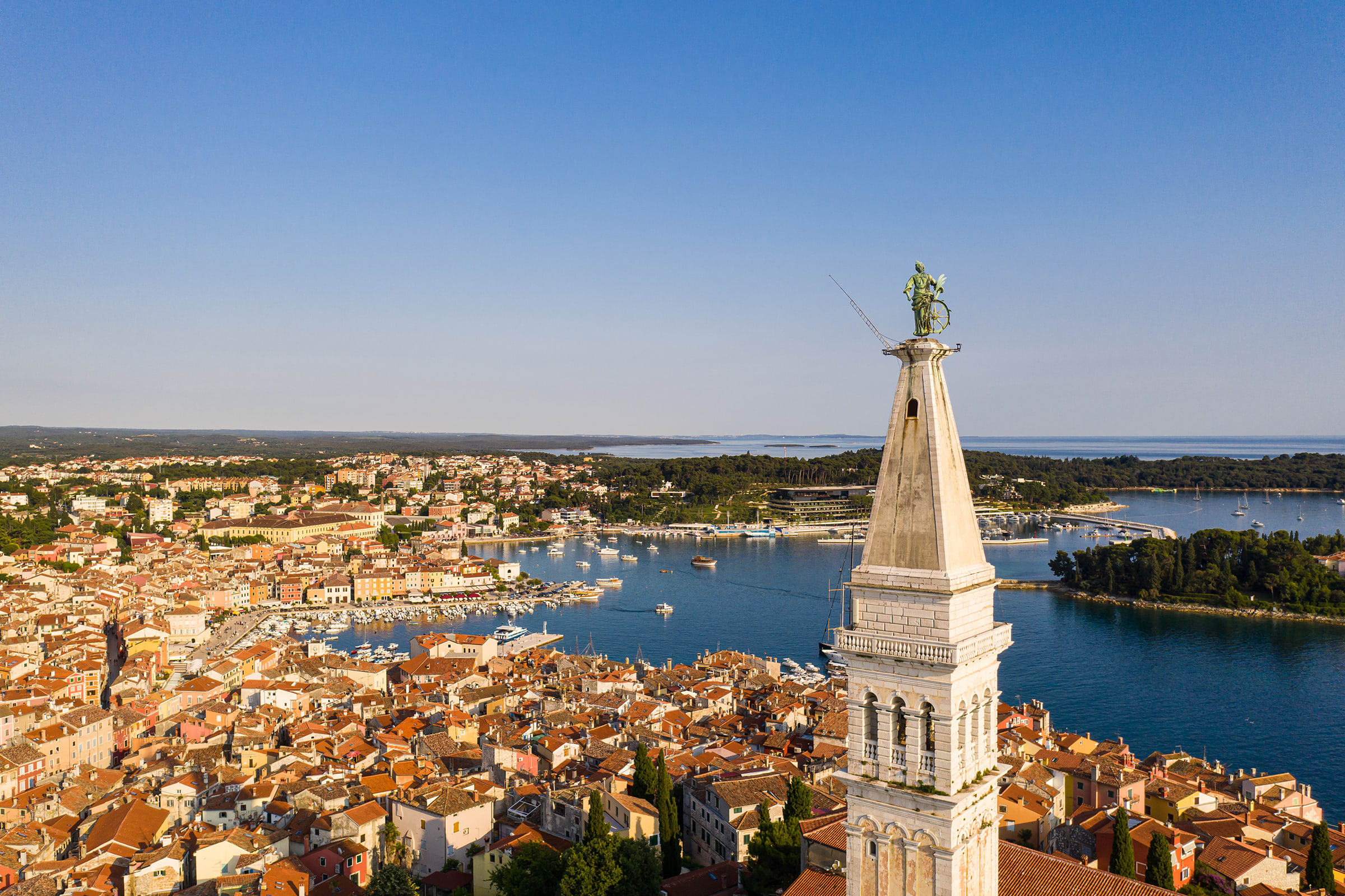
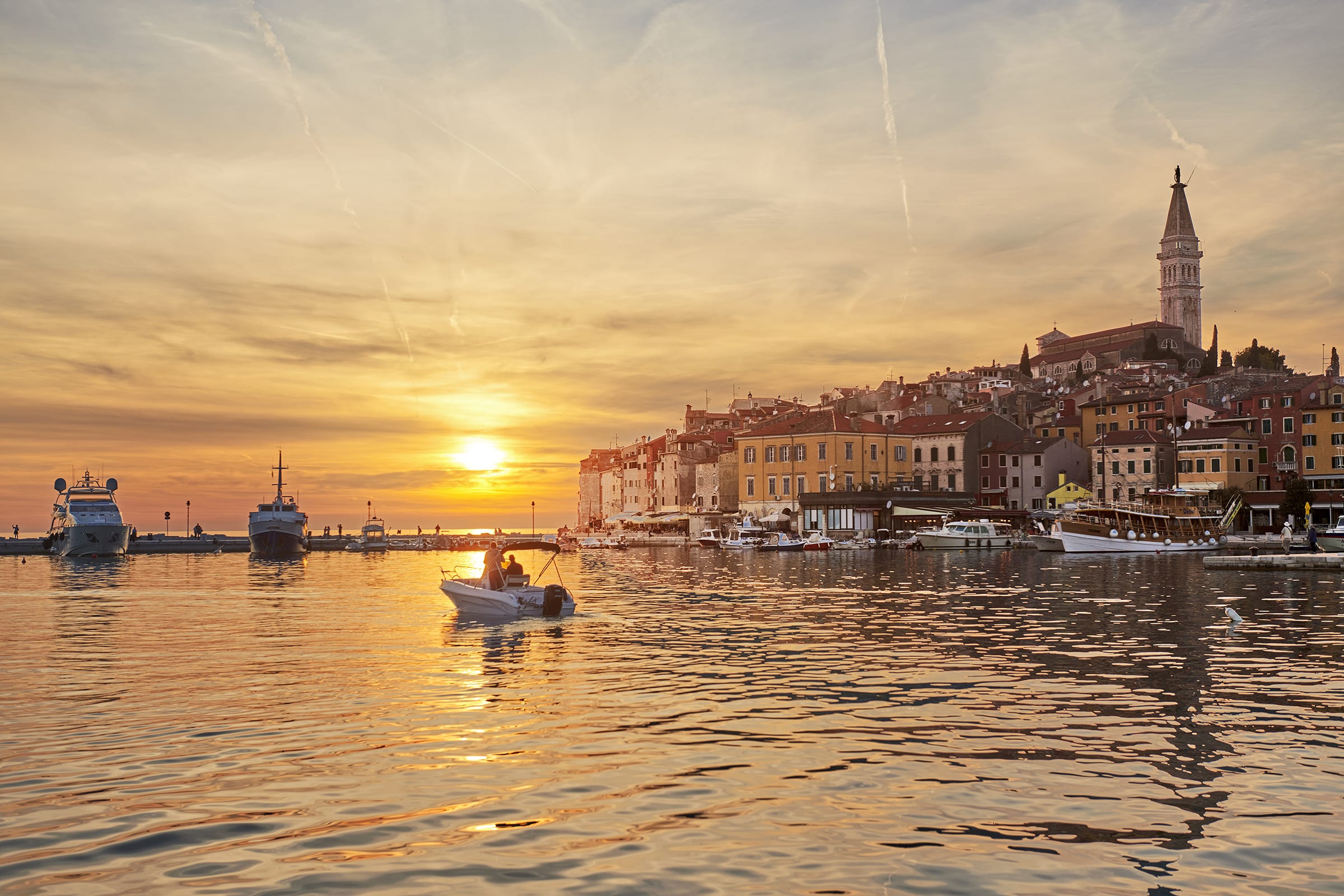
Rovinj, the Blue Pearl of the Adriatic, the city of romance and art, one of the most picturesque towns in the Mediterranean. Part of the Venetian Republic for over 500 years, the Old Town is perched on an elevated peninsula, surrounded by Venetian terracotta-roofed houses and crowned by the Church of St. Euphemy from the 18th century whose bell tower dominates the Rovinj silhouette. The cramped area of the former island dictated the appearance of the town that is characterized by high houses, narrow paved streets and small squares.
  
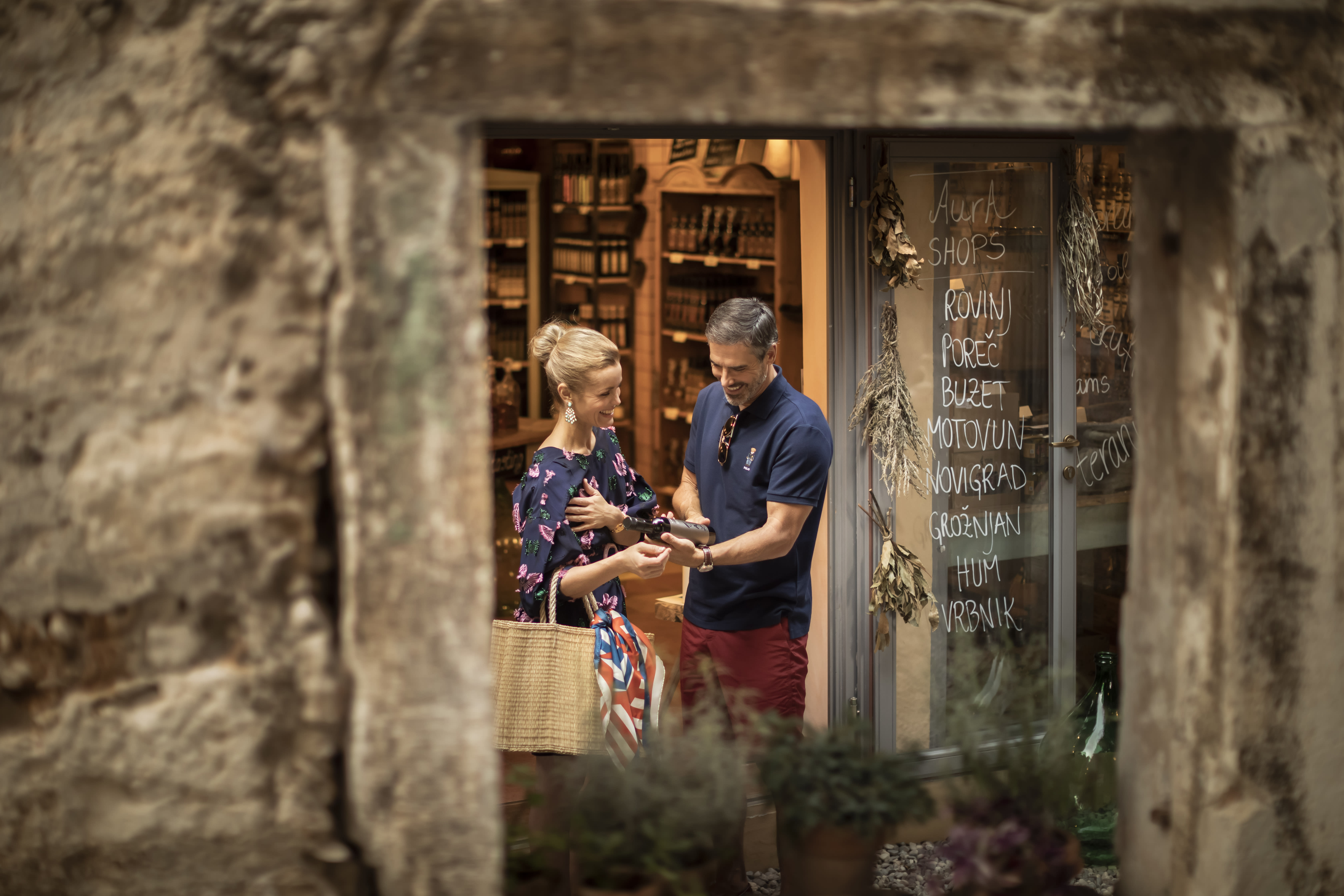
Old cobbled alleys in the Old Town invite visitors to walk around and explore colorful galleries and shops filled with local arts and crafts. In the open-air market visitors will find fresh groceries such as asparagus, olives, tomatoes, herbs and medicinal plants, figs and cheese. The Italian influence is much stronger here than anywhere else in Croatia and the main square is surrounded with lively cafes and restaurants spreading out all the way to the charming harbor filled with sailing and fishing boats.

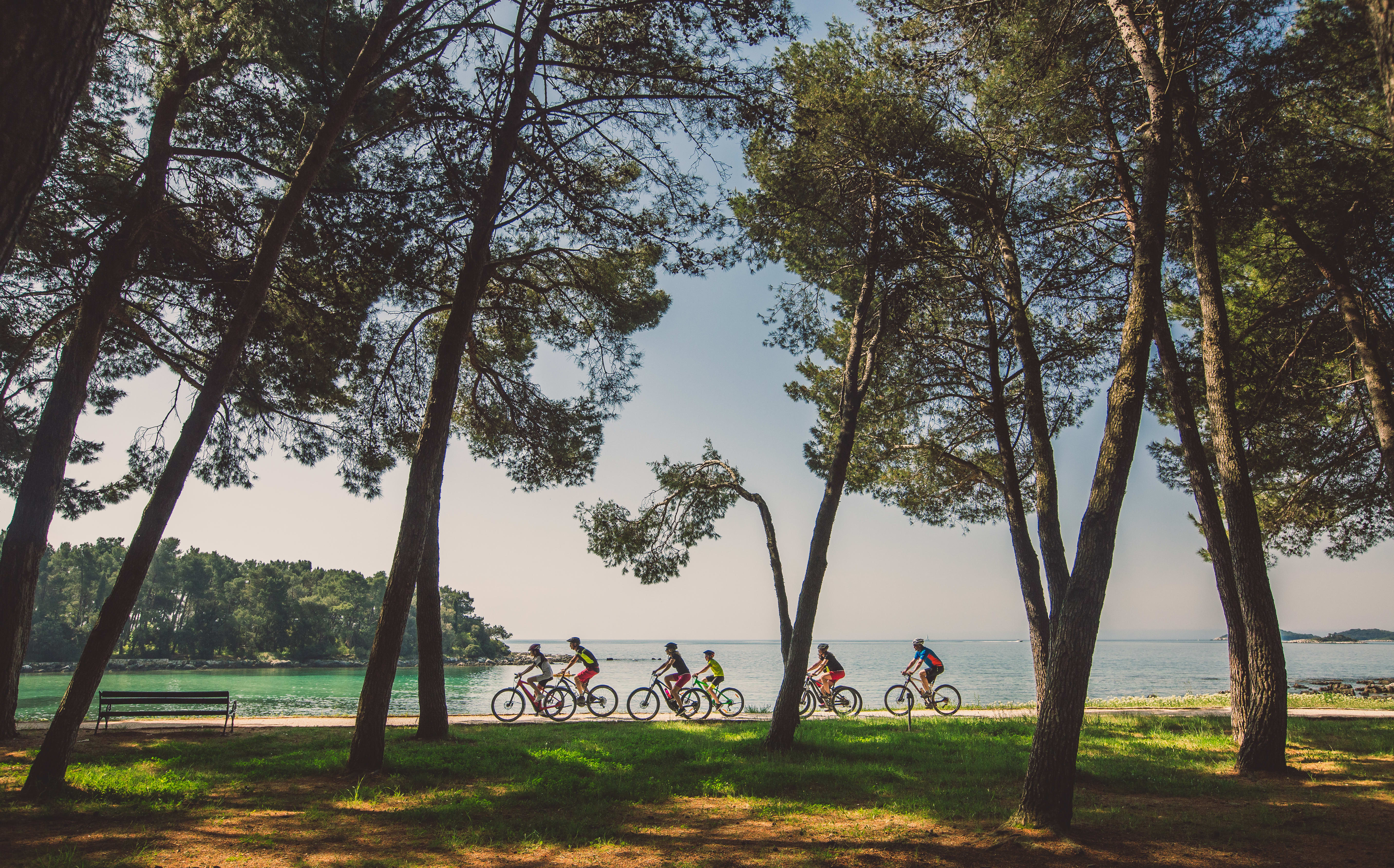
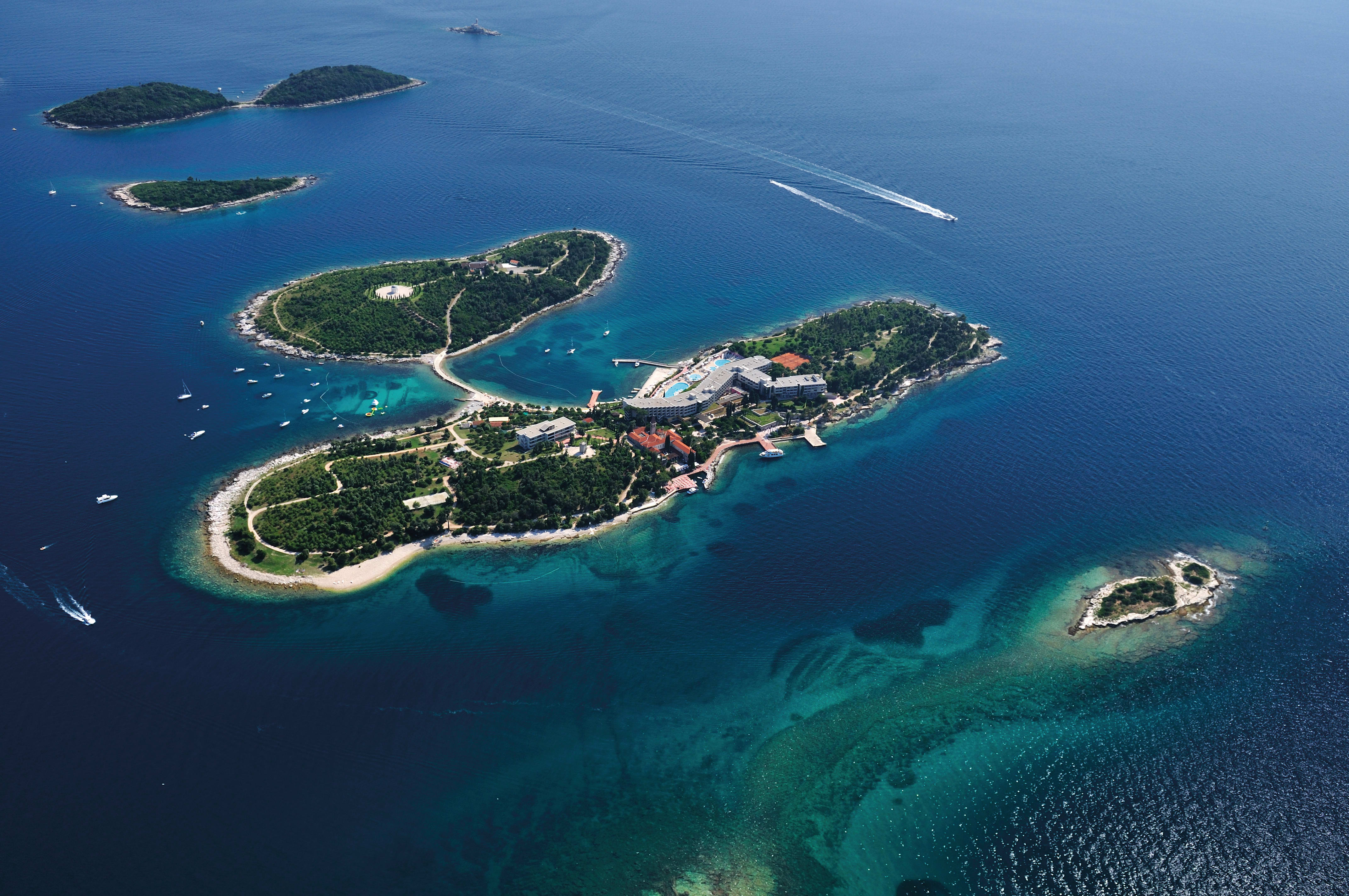
Visitors from all over the world spend their holiday in Rovinj because of its lovely climate, colorful history, hospitality and picture-postcard scenery – dense Mediterranean evergreen underbrush and pine woods and 22 islands and islets that together with the coastline form the largest protected area of the town's natural heritage. Although it is mostly visited during the summer months, many decide to spend their vacation in Rovinj during the winter period as well, due to its favorable weather conditions that have a positive influence on health.
   
Rovinj is focused on the protection of environment and the acceptance of new challenges in tourism, but is still linked to the tradition; therefore it is no surprise that in the early morning you can enjoy watching the fishermen arriving into the town harbor with their catch.

General information

Number of inhabitants: 14.234
Surface area: 80 km2
Population density: 178 ppl/km2
Climate: Mediterranean climate (January 5 °C to 9 °C, August 22 °C to 25 °C)
Sea Temperature: average sea temperature in June is 22 oC, in July 24 oC, in August and September 23 oC

History

The history of Rovinj and its surroundings dates back to the Iron and Bronze Age, when this area was inhabited by the Illyrian tribe Histri that traded goods with the Greeks and Etruscans. In 177 B.C. Rovinj became the part of the Roman Empire called Rubinium (named after a jewel), and Rubinum afterwards. The period of peace under the Romans was followed by the attacks of the Visigoths, the Huns and other conquerors, when the inhabitants found refuge on the islands. On the island of Rovinj, the first walls started to rise near the high rocks as a natural defense.

In 1283 Rovinj fell under Venetian rule by mutual agreement, as the town was aware of the advantage of the protectorate of the Republic. In 1763 the narrow channel was filled up and the island was connected to the mainland. During the Venetian period, while fighting against the Turks, the city walls became reinforced and they still exist nowadays. During the following period, after the fall of the Venetian Republic in 1797, the town had set up a democratic system of government which lasted for a short period of time, because in 1813 it became a part of the Austro-Hungarian Monarchy until the First World War, when it fell under the Italian rule. After the Italian capitulation in 1943 it was occupied by the Germans. In 1947 it came under Yugoslavia where it remained until 1991 when Croatia was established.

What to visit?

Monuments and notable landmarks in Rovinj:
  • The Church of St. Euphemy
  • Baroque Archway – Balbijev luk
  • The clock tower with St. Mark's lion
  • The Church of St. Thomas
  • The Church of the Holy Cross
  • The Holy Trinity Chapel
  • Franciscan Monastery
  • Town Museum
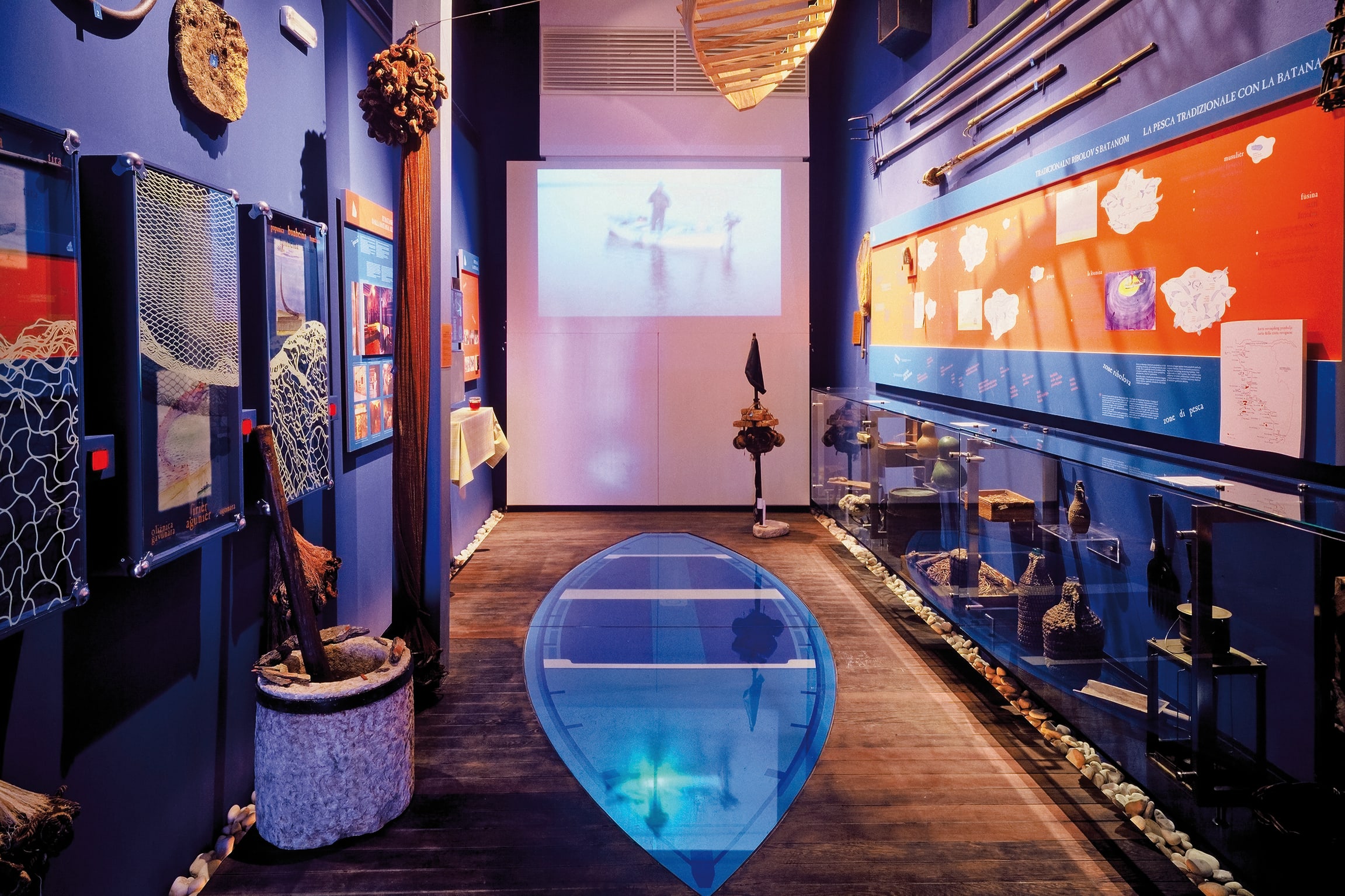
  • The „Batana House“ Museum
  • The „Ruđer Bošković“ Institute Aquarium
  • Zlatni rt - Punta Corrente
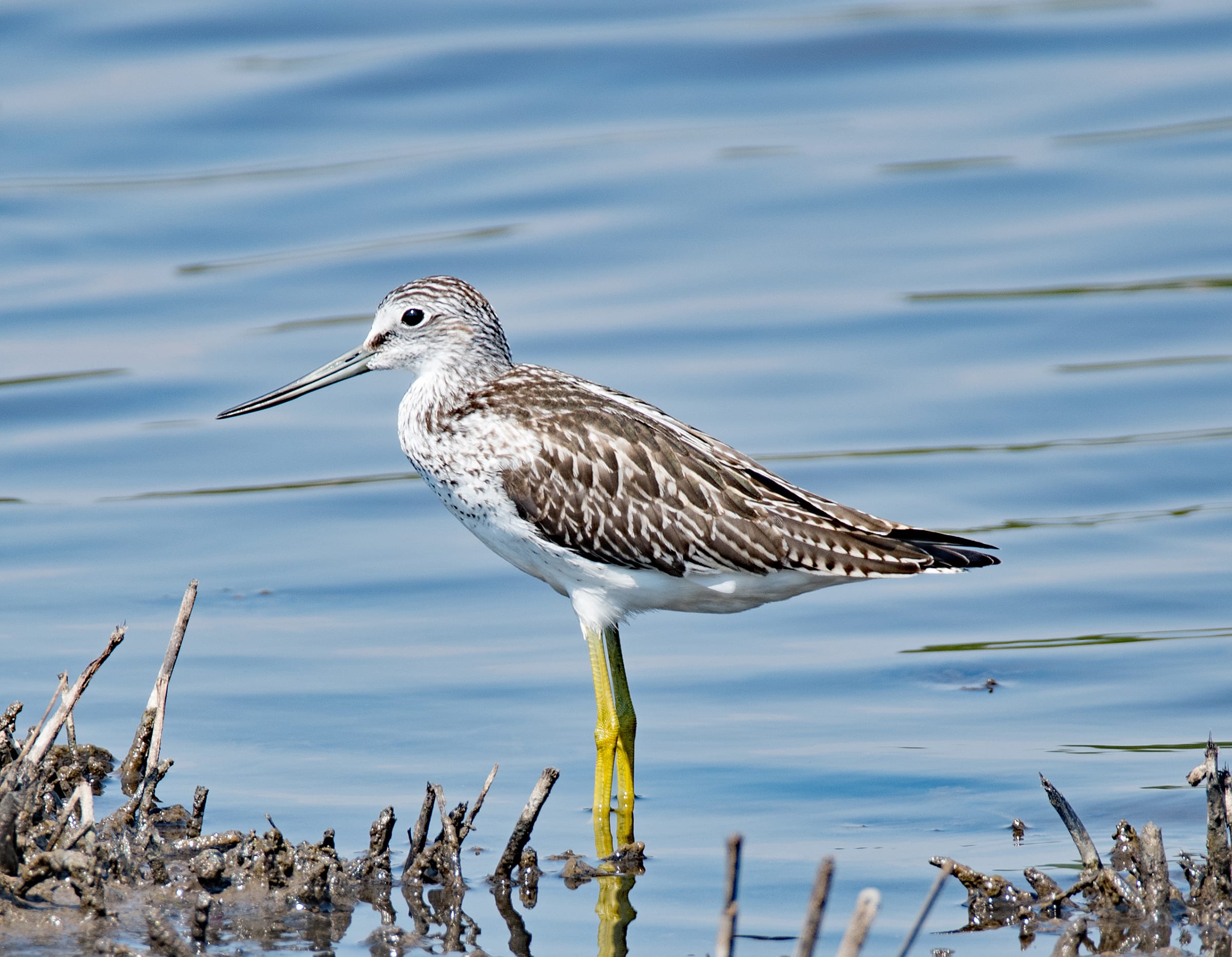
  • Palud Swamp – ornithological reserve
  • St. Andrew's Island… More about all attractions in Rovinj…

Take a look at the recommendations about the things you must see and do during your stay: Top 10 activities in Rovinj.

It is really worthwhile to visit the nearby city of Pula, with its impressive Amphitheatre (6th largest in the world) and art-deco style market. A must-see destination is also Motovun, an exciting little town on the top of the hill, which stages the international film festival each August. A short boat ride away are the Brijuni Islands, a stunning archipelago consisting of 12 islands; the visitors can explore the main island on a little safari train. Find out more about the excursions in the surrounding area, both organized tours and independent visits.

Accommodation

  • Hotels in Rovinj
    If you want to stay in the old town, Hotel Adriatic is the ideal choice. The nearby hotels Park, Eden and top-quality Monte Mulini are within a few minutes walk from the center and hotels Istra and Katarina are situated on the largest islands of the Rovinj archipelago… More… 
  • Resorts in Rovinj
    Resort Amarin and Villas Rubin are situated only 4 – 5 km away from Rovinj… More…

Gastronomy

Istrian cuisine hides the abundance of traditional tastes, the reflection of the historical, geographical and climatic characteristics of the peninsula. The dishes of Green Istria, typical for the interior of the peninsula, are based on meat and pasta, and Blue Istria dishes offer the freshness of the sea with excellent fish and seafood. The interior of Istria hides a number of taverns and wine cellars where you will get a true autochthonous experience by tasting traditional meals and a glass of supreme Istrian wine. The autochthonous Istrian wines are Malmsey white wine and Teran and Refošk red wines, and the most famous dessert wine is the Istrian Muscat.
The important characteristic of Istria that dates back to the Greek and Roman period is the olive. According to the world standards, Istrian olive oils are one of the best ones, and it is possible to taste them in oil works and taverns owned by the best Istrian olive growers.

Top 3 restaurants in Rovinj: 
  • Wine Vault (fine dining restaurant with modern French cuisine with the best wine selection in Croatia)
  • Lanterna (fish restaurant in the former castle on St. Andrew's Island)
  • Maestral (fine dining restaurant in the center of Rovinj with creative interpretations of international cuisine)

Sport

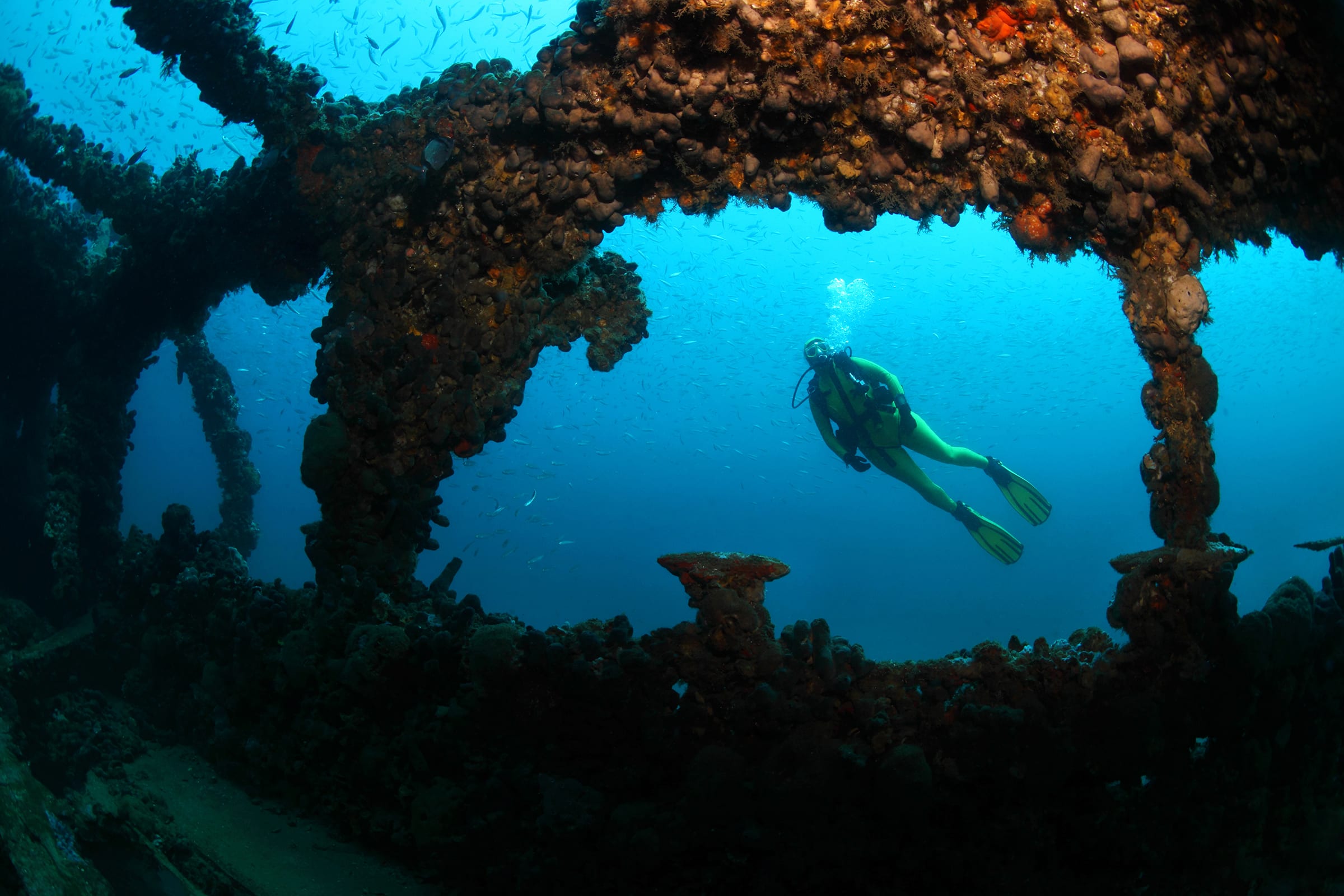
A wide selection of sports activities has an important role in Rovinj's tourist offer: the town hosted the European Corporate Games twice. It is possible to rent sporting grounds and equipment in sports centers and go to tennis, windsurfing, diving and other sports schools. Rovinj offers several grounds for handball, futsal, basketball, handball, beach handball, a polyvalent hall and a covered tennis hall... More…

Entertainment and nightlife

Nightlife begins in the town in colorful restaurants and bars on the coast or on the terraces of Rovinj's hotels and resorts with an organized entertainment programme with live music. Those who wish to entertain themselves all night long will have a good time in Monvi, the largest entertainment centre in Istria with dozen night bars and disco clubs inside the complex.

If you plan to spend your summer vacation in Rovinj, you will have the opportunity to enjoy various local festivals and other events, the most famous being Grisia (open air, art exhibition named after the street where it takes place in July), Rovinj Night (celebration of the City known for its magnificent fireworks, takes place in August) and St. Euphemy (16 September, the holiday of the patron saint of the town).

Guests who are staying in Maistra’s facilities can enjoy various entertaining and recreational activities during the day such as aqua aerobic, demonstrative diving in swimming pools, archery, tennis tournaments, guided sightseeing tours of the town, visits to the Museum and the Aquarium, dancing school, Croatian language school and many creative workshops.

Beaches

The beaches of Rovinj and its surroundings are mainly stony and rocky and some have pebbles. For the most part there is a rhythmic interchange of rocky coast and coves covered with tiny pebbles. Coves are suitable for families with children because the access to the sea is easy and gently-sloping, while rocky beaches, such as those in Škaraba Bay on the southern side of Rovinj, are more suitable for diving. The well-attended town beach in Lone Bay (on the south), the popular beach on the island of St. Andrew, the beach in the resorts Amarin (on the north) and beaches in campsites Veštar (5 km south from Rovinj) and Polari (3 km south) are covered with pebbles.

The Blue Flag, the symbol of clean and well-attended beaches, was given to the following beaches in Rovinj, all of which are part of Maistra's facilities: Amarin Resort beach, Villas Rubin Resort, Hotel and beaches in Polari and Veštar campsites.   

How to arrive

Road directions toward Rovinjsko selo and Bale connect Rovinj with the main Istrian roads. It is possible to come to Rovinj by flying to Trieste, Ljubljana, Zagreb or Rijeka, but the closest airport is located in Pula. During the summer there is a great connection between Rovinj and Venice by boat… More…

Tourism

Today Rovinj is one of the most developed Croatian tourist centers with an excellent offer of hotels, resorts and campgrounds and a marina. It is surrounded by preserved nature that forms an integral part of the outskirts of the town.

The construction of the road toward Vienna (1845) followed by the opening of the railway line toward Trieste introduced Rovinj to its first tourists. At the end of the 17th century, Rovinj had a well-attended public beach, Lone Bay and several boarding houses. The year 1888 that marks the opening of the health resort “Maria Theresia“ is usually considered to be the year of the beginning of tourism in Rovinj. Its visitors were mostly persons with respiratory problems coming from the area of Austro-Hungary, who visited Rovinj during the entire year because of its mild climate and medicinal effects of the sea. In 1890, the Austrian baron Hütteroth bought the Island of St. Andrew and turned the former monastery into a castle, making this island the summer resort for the elite Austro-Hungarian clients. The similar thing happened to the Island of St. Katarina, bought by the Hungarian count Milewsky in 1905, who built two castles and started its forestation. The present-day Hotel Adriatic, formerly known as Jadran, was the first hotel built in the city, dating back to 1913, due to the growing demand for accommodation. After 1960, the tourist facilities on the outskirts of the town started to be reconstructed; most of the infrastructure was built by the company Jadranturist, which today forms an integral part of Maistra d.d.


Tourist Board of Rovinj

Istria Croatia