Vrsar
Get to know Vrsar
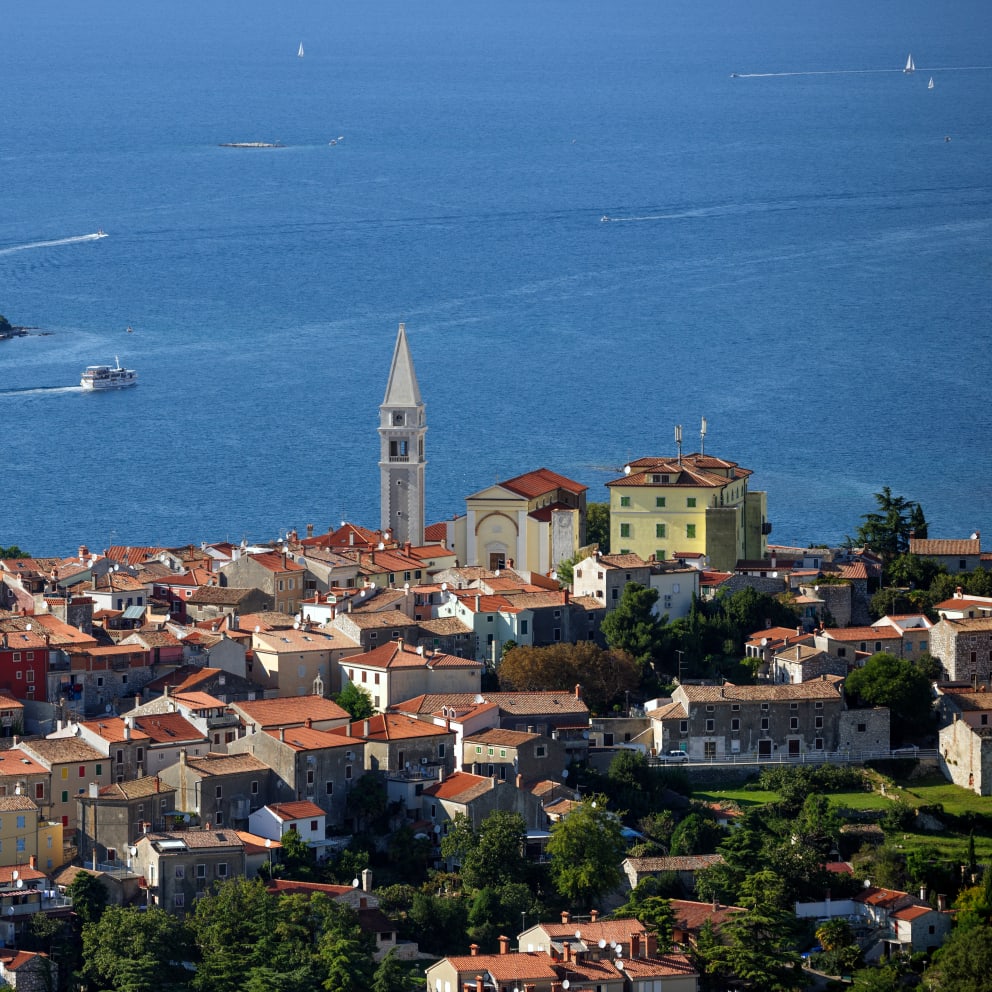
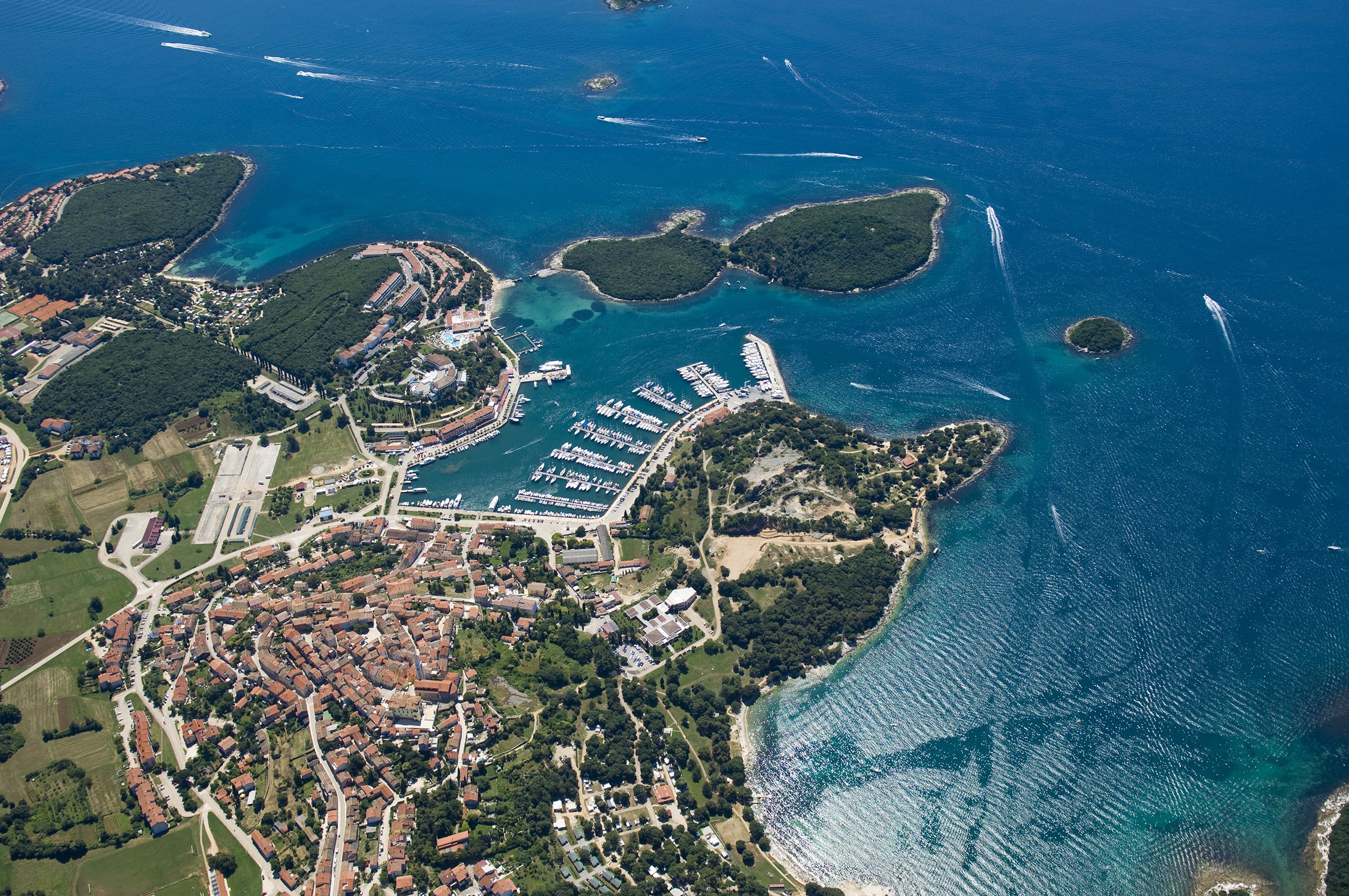
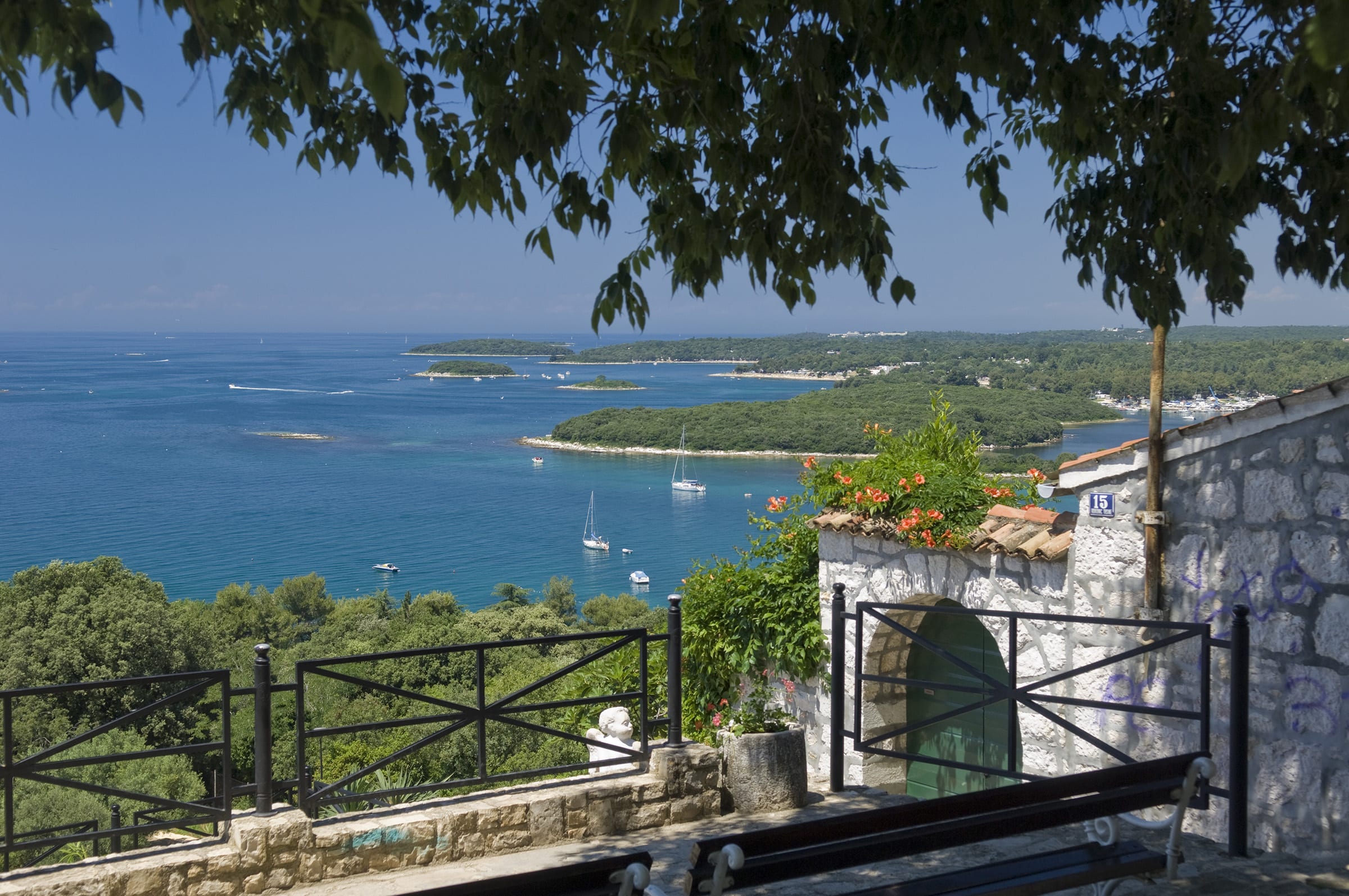
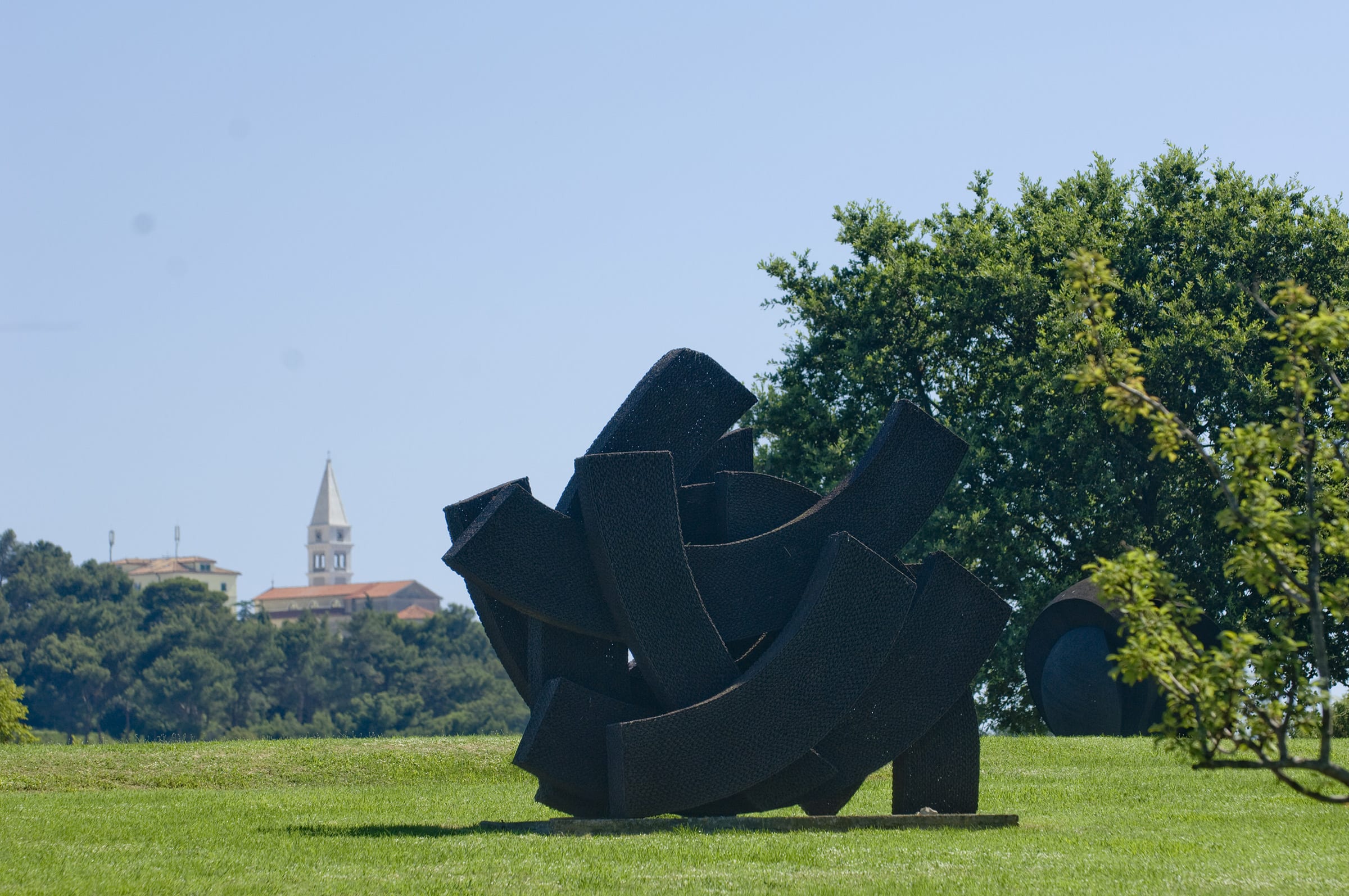
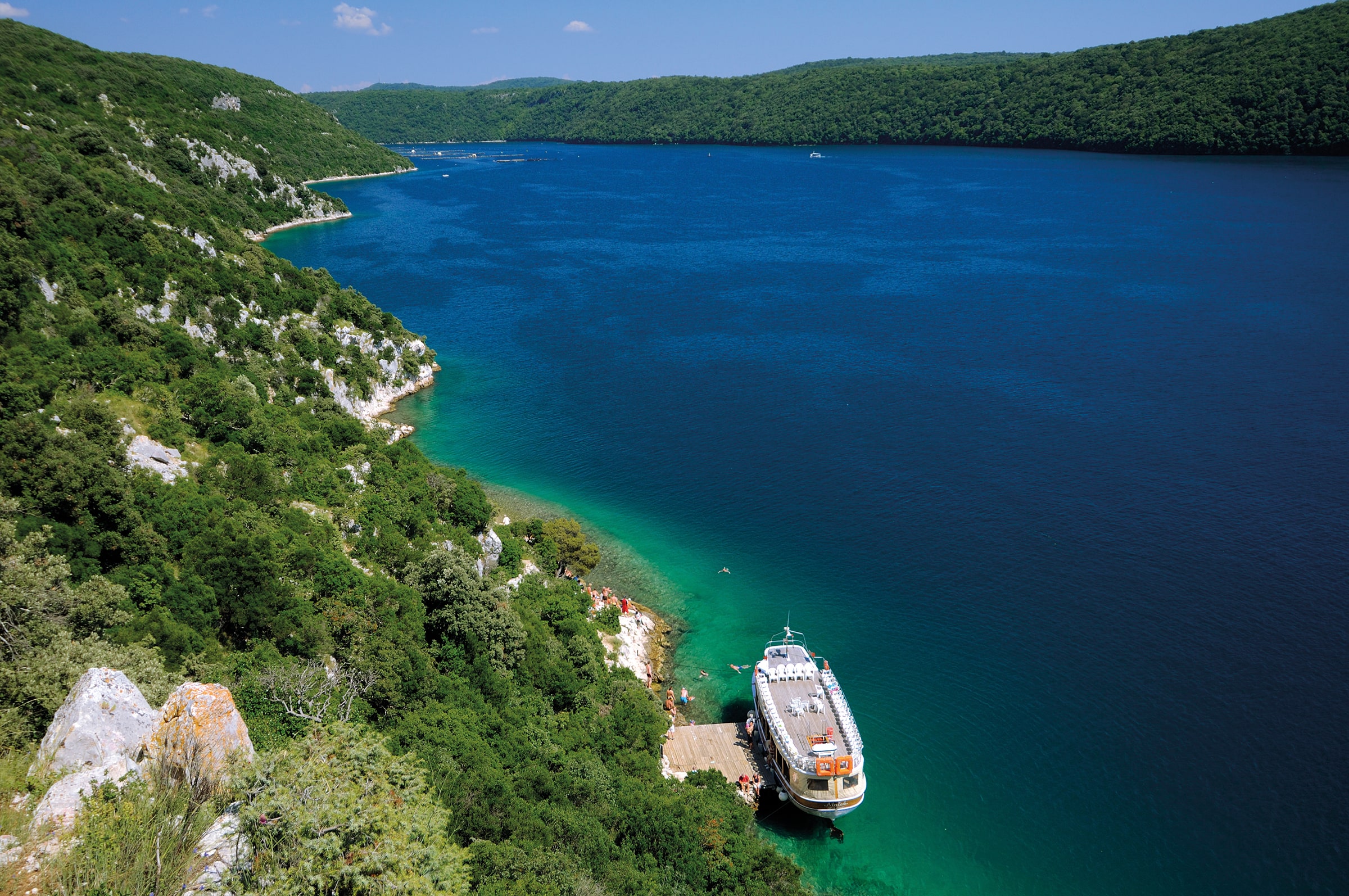
Once a modest fishing village, this charming town on the west coast of Istria is located at the entrance to Lim Bay. Climb one of the lookouts in the medieval old town situated on a hill by the sea and enjoy the view of the 18-island archipelago. Who knows, maybe the notorious Casanova came to Vrsar by sailing between those very islands.


The people of Vrsar are mostly farmers, wine growers, fishermen or engaged in tourism, though not necessarily in that order.
With an archipelago of 18 uninhabited islands just opposite the town, and more than 190 permanent quayside berths in the marina open all year round, Vrsar is a sailor’s paradise, with aeronautic sports coming in second, with parachuting, parasailing and panoramic flights in sports planes. Of course, there are many other options for an active holiday worth exploring around Vrsar, whether you are a walker, biker, swimmer or diver.
All of this is made possible by the gentle Mediterranean climate working hand in hand with a beautiful, indented coastline and the pristine nature that surrounds Vrsar.
Adventurers and wanderers will find Vrsar a perfect base for in-depth exploration of Istria, maybe even Croatia, but whatever you do, you must visit Lim Bay and then Rovinj.

Panoramic airplane flight
Visit the street of Casanova
Visit Kaštel - Bishop of Poreč’s summer residence and churches
The present-day palace came to be by partitioning the original Romanesque castle, and was used as the Bishop of Poreč’s summer residence. It comprised a fortified building with a cistern and four flanking towers that are a continuation of Vrsar’s walls and which date back to the 15th century.
Visit Dušan Džamonja’s Sculpture Park
Enjoy the view from three romantic viewpoints

Take a ride down the Vrsar-Lim-Vrsar eco bike trail
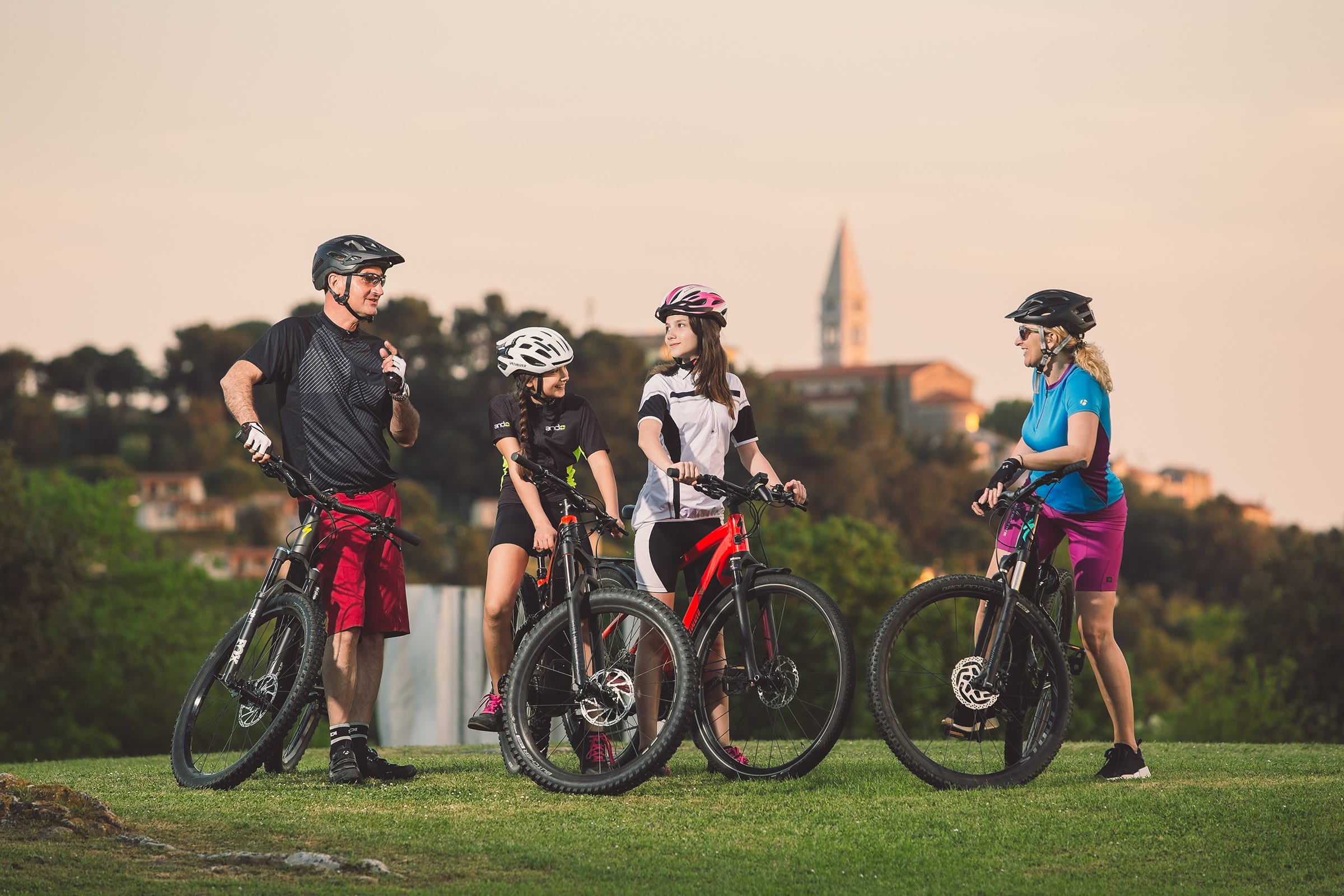
Take a stroll through Kontija Forest
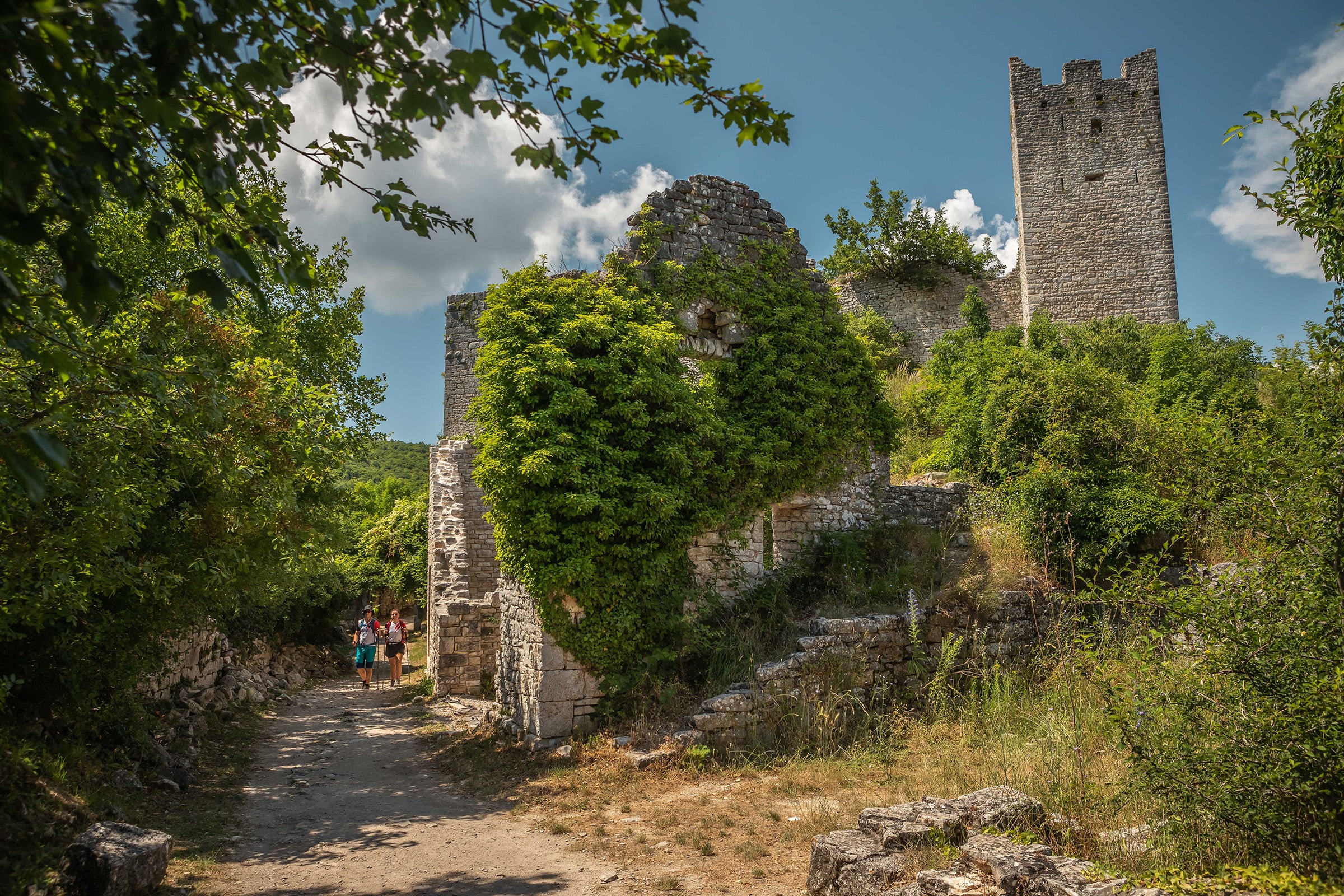
Visit Romuald’s Cave and Lim Bay
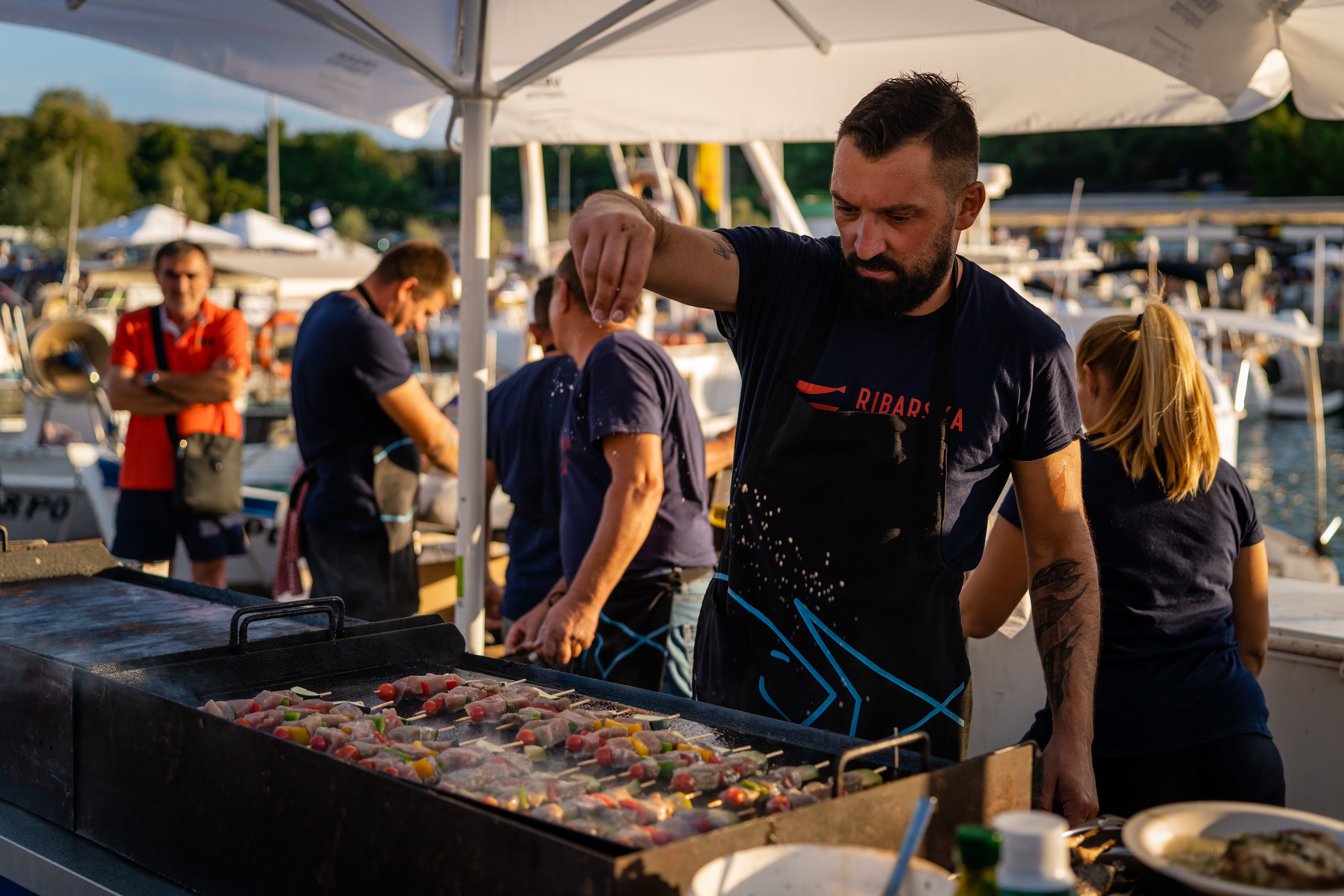
Fishermen’s festivities
Visit to Funtana Dinopark
Funtana Dinopark is the first amusement park in Croatia dedicated to life-size dinosaurs. Numerous remains of dinosaurs have been discovered in different locations across Istria and have become part of the peninsula’s story. Take this amusing journey way back into the past and experience these unusual creatures.
General information
Vrsar has a Mediterranean climate with mild winters and long warm summers. Even in winter, the temperature rarely drops below zero. The average air temperature in spring is 12.5°C, 23.4°C in summer, 15.6°C in autumn and drops down to 5.5°C in winter.
- Population: 2,703
- Area: 22.9 km²
- Density: 118 ppl/km²
- Climate: Mediterranean
- January: 5°C to 9°C
- August: 22°C to 25°C
- Sea temperature:
- June: 22°C
- July: 24°C
- August/September: 23°C
Accommodation in Vrsar

Located on top of a hill in the stone pine forest after which it is named, the Pineta Hotel offers a unique view of the old town of Vrsar, the Adriatic Sea and the surrounding islands. With numerous bike trails in the area, the hotel is well equipped for cyclists. Fans of active holidays can also enjoy trekking, tennis, diving, swimming, and other sports in the area. In parallel with your active holiday, take a break in the intimate atmosphere of the Wellness & Spa centre.

The modern rooms and apartments are located right by the sea, ascending along a gentle slope with a beautiful view of the 18 islands of the Vrsar archipelago. In just a few minutes of easy walking along the seafront promenade, you will reach the centre of Vrsar, or explore the surroundings by bike. You can relax and have fun on the natural beaches or at the large swimming pool with a water slide in the centre of the resort.

Petalon Resort is situated on the green peninsula between the town of Vrsar and the protected landscape of Lim Bay. Enjoy miles of bike and hiking trails, natural pebble and rocky beaches, swimming pools, tennis courts, a diving school, and other sports activities.
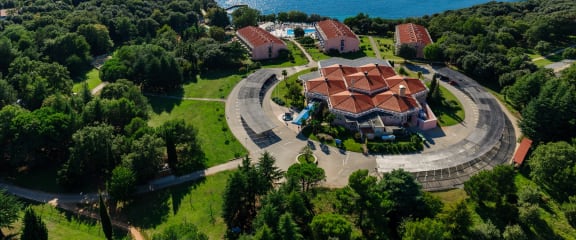
The modern rooms are located right by the sea, ascending along a gentle slope with a beautiful view of the 18 islands of the Vrsar archipelago. In just a few minutes of easy walking along the seafront promenade, you will reach the centre of Vrsar, or explore the surroundings by bike. You can relax and have fun on the natural beaches or at the large swimming pool with a water slide in the centre of the resort.

Spend your holiday right by the sea on the waterfront of the charming fishing town of Vrsar. Located opposite the old town, day after day you will have the opportunity to discover the little intricacies of the everyday life of the locals as you walk along the streets of the small town that had a special place in the heart of the famous Giacomo Casanova. Guests staying at the Riva Apartments have at their disposal all the facilities at the Pineta Hotel as well as the nearby Belvedere Resort.

Naturist Park Koversada Apartments are located at the entrance to the beautiful Lim Bay, surrounded by pristine Mediterranean scenery, the sea, and natural beaches. Discover local flavours of Istria in our restaurants and bars and enjoy an active holiday with numerous sports and entertainment activities.

Koversada Rooms in the newly renovated Koversada Covered Campsite are intended for clothed guests. Surrounded by green olive groves, they are located near the sea and the islet of the same name - Koversada. Enjoy the relaxing atmosphere, explore local specialities in our restaurants and bars, and add some sporting and fun activities to your holiday. Everything here is about unspoilt nature and relaxation!

Valkanela Campsite is situated in a beautiful bay with a view of Vrsar and the islands. Here you can find a unique offer of amenities and entertainment for a great family holiday. Choose from accommodation on well-positioned spacious pitches or in comfortable mobile homes with a shared pool or private hydro-massage bathtub on the terrace. The campsite features attractive natural beaches, a pool complex, and restaurants and bars right by the sea and pools.

If you ever feel like spending time in Istria, Porto Sole Campsite is open throughout the year. You can stay on pitches by the sea or in mobile homes embodying the special ambience of a winter holiday surrounded by nature. Explore the charming town of Vrsar not far from the camp, or roam around the beautiful countryside cycling along the attractive nearby trails. Besides the diving club and outdoor fitness zone, the campsite offers a wide range of sports amenities by the beaches and pools.

On the eastern coast of beautiful Istria, you can find your favourite holiday destination. Koversada Park Camping Resort is located near the Lim Channel, opposite the islet from which it took its name. Here you’ll enjoy the shade of centuries-old forests, unspoilt nature and accommodation that blends in perfectly with the surrounding landscape.

In Koversada Covered Campsite, everything is in harmony with nature - including the lovely themed pitches and mobile homes immersed in Istrian greenery. Round off your holiday by the sea with the MaiEats offer of tasty dishes prepared with fresh local ingredients.
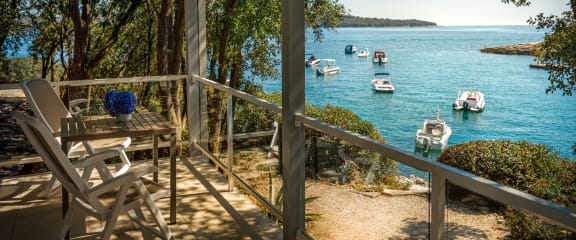
Located at the entrance to beautiful Lim Bay, Koversada Uncovered Naturist is the campsite in Europe with the longest tradition in naturism. Surrounded by greenery and beaches, this is a paradise for relaxation, with accommodation options in mobile homes and on pitches. Explore the local flavours of Istria in our restaurants and bars, and enjoy a forest oasis designed for yoga and meditation. Feel the freedom offered by Koversada Uncovered Naturist Campsite!